





Explosives
Explosives call for rigorous control at every stage of the journey. We provide specialist support for Class 1 goods with the permits, procedures, transit links, and attention to detail these materials demand in practice.
What explosives handling involves
Explosives handling involves the specialist preparation and control required to move Class 1 goods through transit conditions without treating them like ordinary regulated cargo. That includes attention to permits, packaging, documentation, timing, and the practical limits around where and how the shipment can wait before onward movement. In this part of the market, the difference between manageable and unworkable often comes down to how well those details are aligned.
Why Class 1 materials demand strict control
Class 1 materials demand strict control because the consequences of weak preparation are too serious to leave room for casual assumptions. The cargo itself, the shipment file, and the transit setup all have to support one another if the movement is going to hold together. That does not mean every explosives shipment is dramatic. It means the tolerance for preventable weakness is lower, and the need for disciplined handling is higher from the start.
Supporting safer transit for sensitive goods
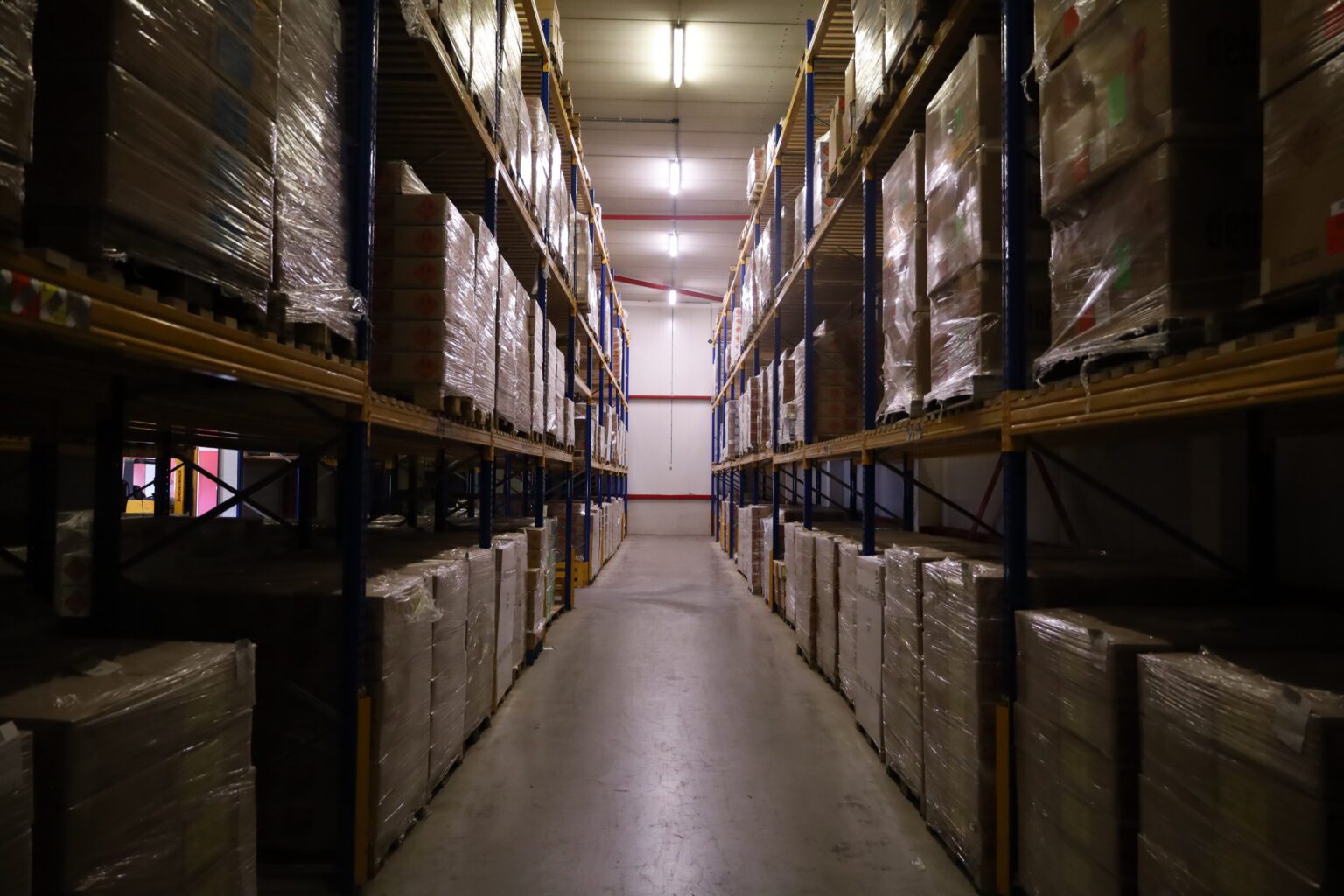
Explosives support in transit means helping the shipment move through the period where it is waiting on permits, packaging, documentation, or the next approved transport step. The priority is to keep that period controlled and workable rather than letting the shipment sit in uncertainty. Safer transit support comes from treating those waiting and preparation stages as part of the real movement, not as dead time between more important steps.
What makes explosives transit handling more demanding
Explosives transit handling is more demanding because more of the shipment depends on correct preparation before movement resumes. The route options may be narrower, the paperwork burden heavier, and the timing more sensitive to permit status or handling constraints. That means the shipment cannot simply be processed through a standard hazmat routine. It needs a setup that respects the tighter operating conditions around Class 1 goods in real practice.
When specialist explosives knowledge matters
Specialist explosives knowledge matters when the cargo is not only regulated, but moving in a market where the practical consequences of poor assumptions are sharper than usual. That includes transit planning, permit-sensitive timing, packaging decisions, and the judgment to know when a shipment is not yet on a sound enough basis to continue. In those cases, experience matters because the shipment often gives less room for trial and error than other cargo types.
Every hazmat shipment poses unique challenges. We’re here to solve them.
From a single missing link to the entire chain: we determine what your shipment needs and handle those part of the process you’re looking to outsource. Practical, safe, and always in full compliance.
Why Special Cargo?
Special Cargo supports explosives shipments in transit with the discipline that Class 1 cargo requires. Our Houston operation works in a market where explosives are part of the oil and gas and mining reality, which means this is not a purely theoretical service line for us. We understand the practical demands around permits, documentation, preparation, and controlled onward movement, and we approach them with the seriousness they deserve.

How we add value with explosive shipments
Transit-focused Class 1 support: We help explosives move through controlled preparation and waiting stages.
Permit-aware handling: Shipment timing and readiness are managed with approval requirements in mind.
Stricter preparation discipline: Packaging, documents, and next-step control are treated with added care.
Market-specific experience: Houston supports explosives in the oil and gas and mining context in practice.
Fewer weak points in a tighter chain: Customers get a more deliberate basis for sensitive onward movement.