




Cross-docking
When time matters, cross-docking helps hazmat cargo move through the warehouse quickly and cleanly. We receive, check, and transfer shipments with minimal delay, while keeping control over safety, condition, and flow.
What cross-docking means in practice
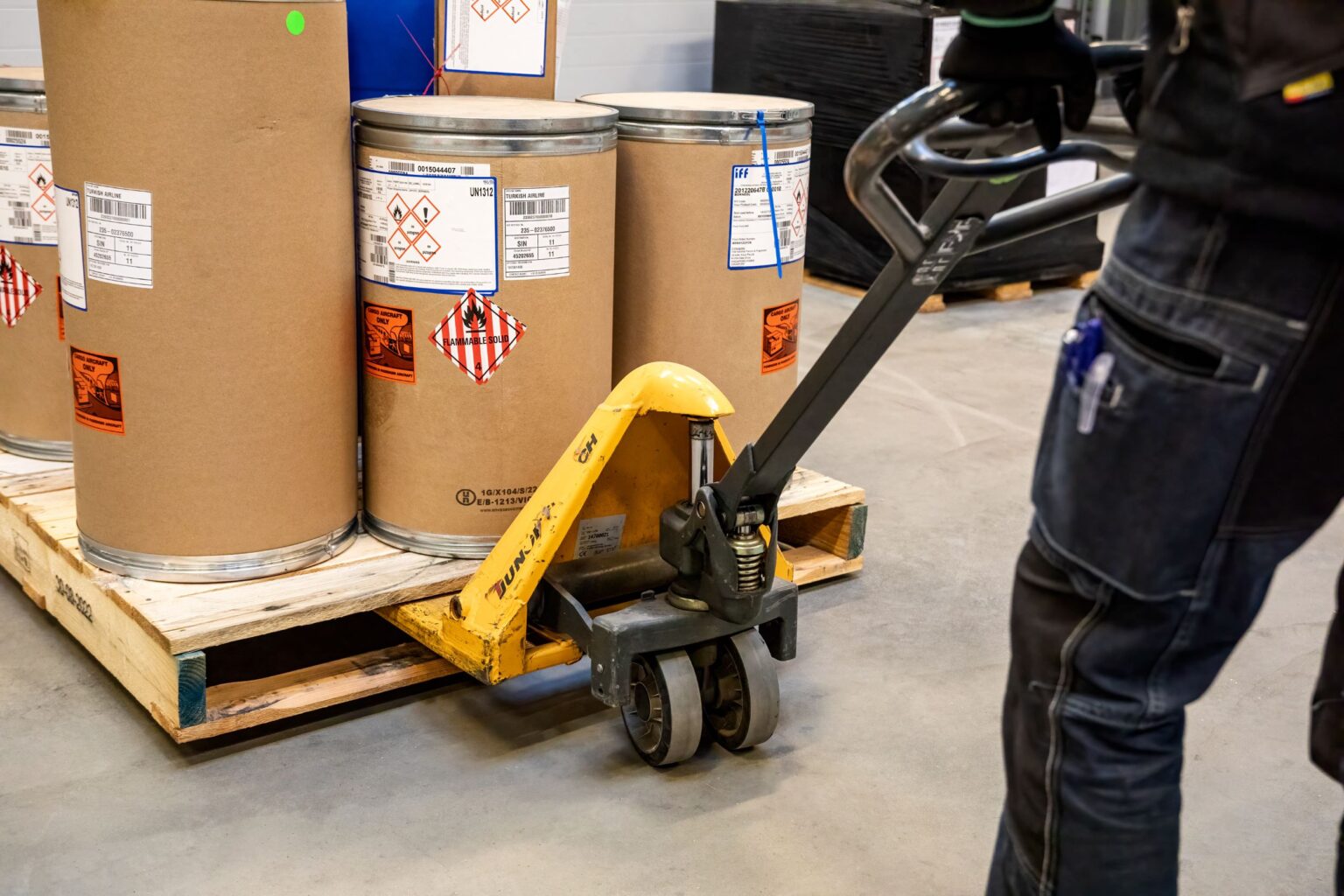
In practice, cross-docking means receiving hazmat cargo, checking it, and moving it onward through the warehouse without treating it as long-term storage. The goods may still need inspection, inventory control, label updates, or supporting documents before release, but the operational goal is to keep them moving. That makes cross-docking especially useful when the shipment is time-sensitive or when holding the cargo longer than necessary adds no real value.
When cross-docking is the right fit
Cross-docking is the right fit when the shipment needs control and warehouse handling, but not extended storage. That often applies to fast-moving chemical flows, transitional loads, or cargo that is already meant for a defined next step once it has been checked and prepared. In those cases, the value comes from avoiding unnecessary dwell time while still preserving the count, condition, and release discipline that regulated cargo requires.
How we keep cargo moving without losing control
We keep cargo moving without losing control by treating cross-docking as a structured process rather than a shortcut. Goods are received, checked, placed into inventory where needed, and prepared for load-out with labels and documents considered along the way. The shipment moves faster, but it still moves through a warehouse process that protects shipment identity and readiness. That is what makes the speed useful instead of risky.
What cross-docking helps prevent
Cross-docking helps prevent avoidable delay, unnecessary storage time, and the sort of warehouse friction that appears when cargo sits longer than the shipment actually requires. It also helps reduce the chance that transitional goods lose momentum between inbound and outbound stages. When the process is controlled well, the benefit is not only speed. It is a cleaner route through the facility for cargo that should not be standing still any longer than it has to.
What matters in regulated cargo flows
In regulated cargo flows, what matters is not just how quickly the goods move, but whether the movement still holds together under closer scrutiny. Count, condition, labels, paperwork, and release logic all still matter even when the warehouse stay is short. Cross-docking only creates value if those elements stay aligned. Otherwise, speed becomes another way of moving uncertainty further downstream instead of solving anything at all.
Every hazmat shipment poses unique challenges. We’re here to solve them.
From a single missing link to the entire chain: we determine what your shipment needs and handle those part of the process you’re looking to outsource. Practical, safe, and always in full compliance.
Why Special Cargo?
Special Cargo uses cross-docking as part of a broader hazmat handling model built around control, not just throughput. Our team understands how regulated cargo can move faster through the warehouse without becoming less traceable or less well prepared. That helps customers shorten dwell time where it makes sense while still preserving the checks and handling discipline that keep the shipment workable for its next stage.
How we add value with cross-docking
Reduced dwell time: Cargo moves onward without being held longer than the shipment requires.
Controlled fast-turn handling: Speed is supported by inspection, inventory, and release discipline.
Useful for transitional loads: Cross-docking fits cargo that needs handling but not prolonged storage.
Better flow through the warehouse: Inbound and outbound stages connect more cleanly and efficiently.
Hazmat-ready process control: Regulated goods keep the checks and structure they still require.