





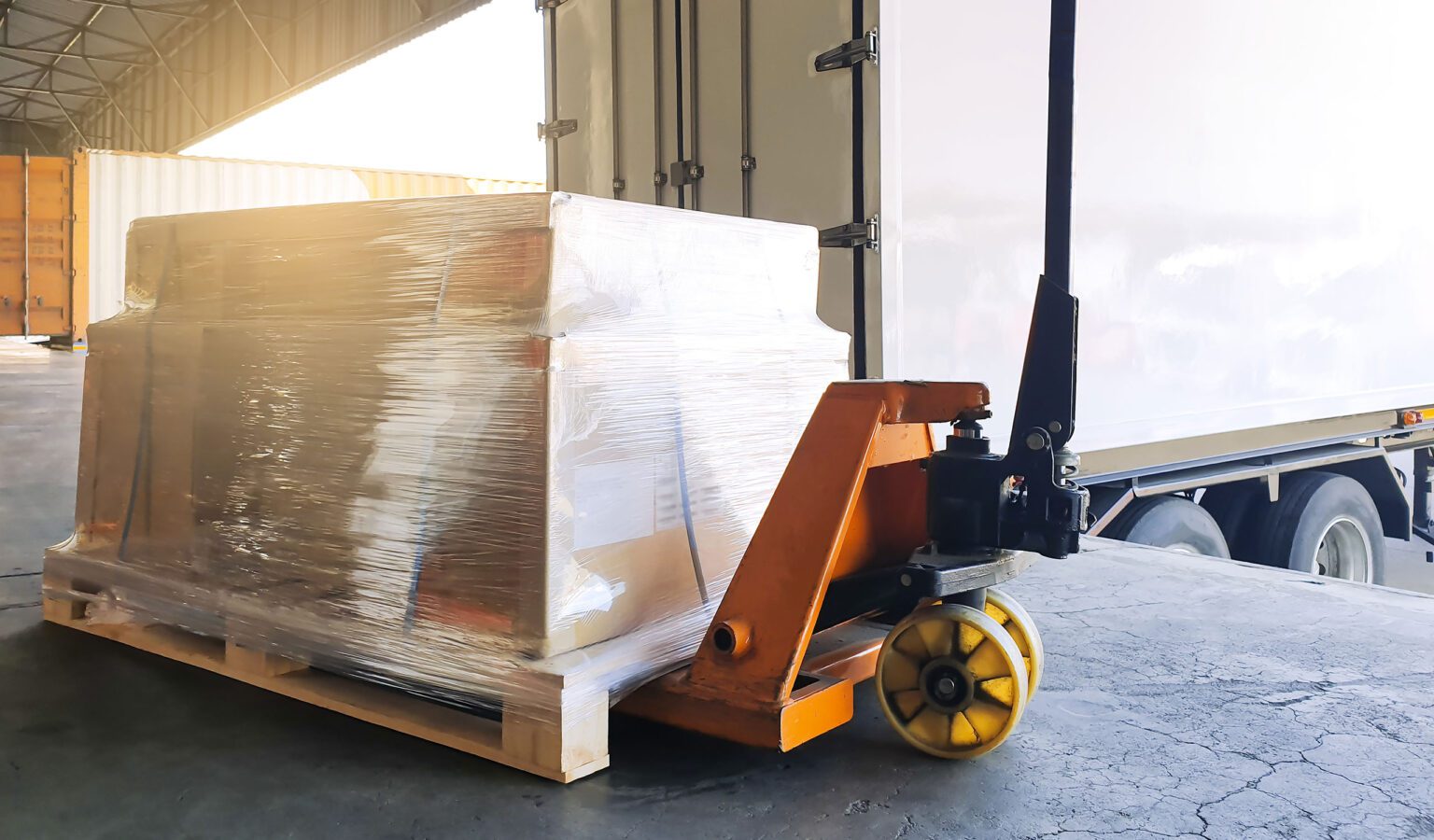
Overpacking & palletizing
Overpacking and palletizing turn loose hazmat cargo into stronger, more manageable shipping units. We consolidate goods carefully so they are easier to handle, better protected, and more stable in onward transport.
What overpacking & palletizing involve
Overpacking and palletizing involve taking loose or fragmented cargo and turning it into stronger shipping units that are easier to handle and protect. In hazmat work, that may be necessary because the original package setup does not provide the best basis for movement, storage, or onward release. The goal is not simply to combine items. It is to improve the way the shipment behaves as a unit once it enters the next stage of the chain.
Turning loose cargo into stronger shipping units
Loose cargo tends to create more handling points, more chances for confusion, and more exposure to avoidable movement problems. Turning it into a stronger shipping unit makes the load easier to control and easier to move through the warehouse and onward transport process. That matters even more when the goods are regulated, because every additional piece of friction has a greater chance of affecting labeling, handling, or the general confidence around the shipment.
Why consolidation improves handling
Consolidation improves handling because it simplifies the physical reality of the load. A better-built pallet or overpack usually takes less explanation, less adjustment, and less reactive correction once the shipment starts moving between parties. It also supports a cleaner relationship between the cargo and the surrounding warehouse process. The more manageable the unit becomes, the easier it is to build the rest of the shipment around it with fewer weak points.
Supporting stability, protection, and control
A well-built overpack or pallet does three useful things at once: it improves stability, adds protection, and creates a load that is easier to understand and manage. Those three benefits reinforce one another. Better stability reduces risk during movement, better protection helps preserve condition, and better control makes the shipment easier to process in practical terms. That combination is one of the clearest reasons this service adds value in regulated cargo flows.
When overpacking is the better option
Overpacking is the better option when the shipment needs a stronger outer structure, when several units need to move together more reliably, or when the original package condition is not ideal for the trip ahead. It is also valuable when the customer wants a cleaner and more robust shipping unit without redesigning the shipment from scratch. In those situations, overpacking creates a more workable path forward than leaving the cargo in a weaker form.
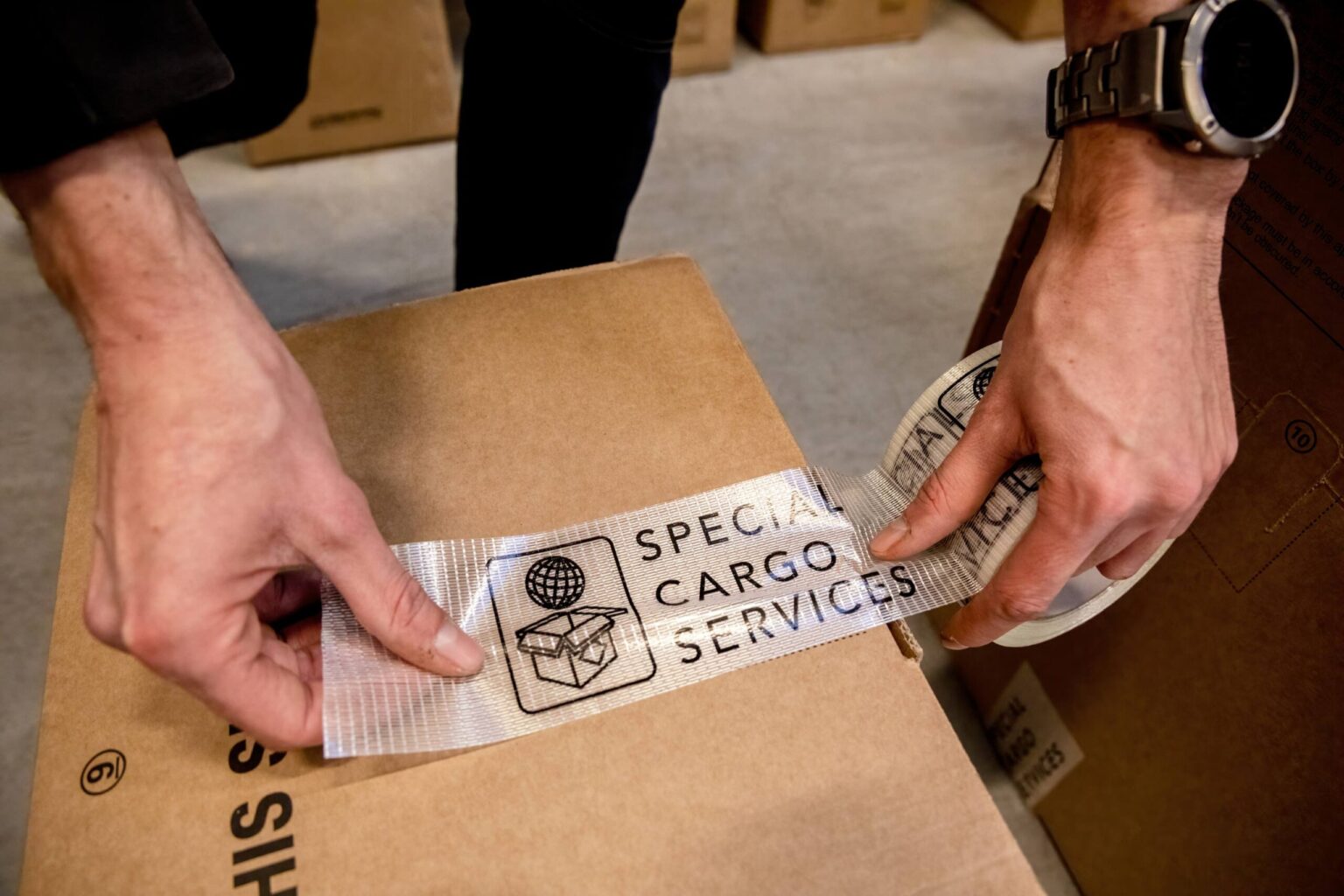
Every hazmat shipment poses unique challenges. We’re here to solve them.
From a single missing link to the entire chain: we determine what your shipment needs and handle those part of the process you’re looking to outsource. Practical, safe, and always in full compliance.
Why Special Cargo?
Special Cargo approaches overpacking and palletizing as practical ways to improve shipment behavior before the load leaves our control. Our team understands how stronger shipping units support better handling and a cleaner route through the rest of the chain. That helps us use the service where it creates real operational benefit rather than treating it as a generic warehouse add-on that happens to make the load easier to look at.
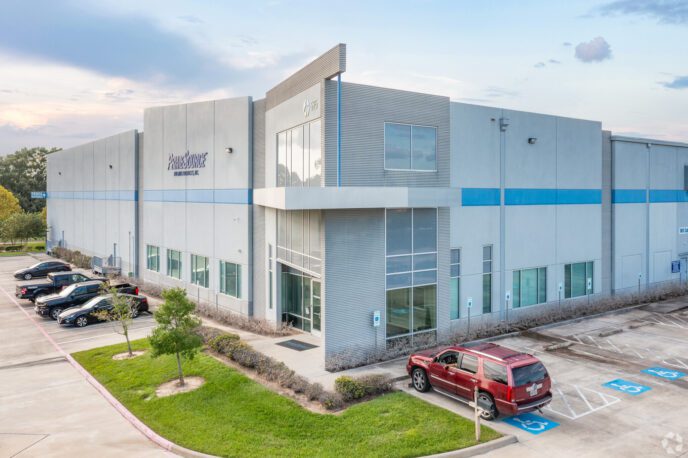
How we add value with overpacking & palletizing
Stronger shipping units: Loose cargo is consolidated into a more stable outbound form.
Improved handling simplicity: A cleaner load is easier to move, stage, and hand over.
Better cargo protection: Overpacking helps support condition through storage and transit.
Useful without full redesign: The shipment can be strengthened without rebuilding every part of it.
More controlled onward movement: Better load structure supports a smoother next stage.