





Import
Import declarations are a key step when goods enter the European Union. We prepare the required customs filing with an eye for the cargo, the timing, and the wider chain around it from arrival onward.
What an import declaration covers
An import declaration covers the customs filing needed to bring goods into the European Union in a formally correct way. For dangerous goods, that filing still needs to match the cargo behind it and the operational plan around it. The declaration is not just a customs event on paper. It is part of how the shipment enters the EU chain, and it therefore works best when it is prepared with the goods and their next step clearly in view.
When import filing becomes necessary
Import filing becomes necessary when goods entering the EU are to be cleared rather than kept under another customs status such as bonded warehousing or transit. That step often defines how the shipment moves forward afterward, because once the goods are imported, the next operational phase usually follows quickly. Timing therefore matters. The filing should support the intended flow rather than forcing the goods into a customs step before the shipment is truly ready for it.
Why the declaration must match the shipment
The declaration must match the shipment because customs work only adds value when it reflects the real goods, the real movement, and the real context around them. If it does not, the filing may still exist, but it does not support a clean entry into the EU chain. Dangerous goods make this especially important because customs handling often sits close to warehousing, release, and onward movement, where weak alignment creates wider friction very quickly.
Supporting a cleaner entry into the EU
A clean entry into the EU means more than successful filing alone. It means the goods can move onward from customs into the next practical stage without unnecessary confusion or rework. We support import declarations with that broader outcome in mind. The filing is handled as part of the shipment process, so the customs step helps prepare the cargo for release or onward use instead of functioning as an isolated administrative milestone.
What import support helps prevent
Import support helps prevent mismatches between customs status and operational reality, as well as the delays that follow when those mismatches are discovered too late. It also helps prevent the shipment from entering the EU chain on a weaker basis than it should. In practice, that means fewer surprises around release, fewer avoidable questions about what the goods are doing next, and a cleaner path from border entry into the wider DG flow.
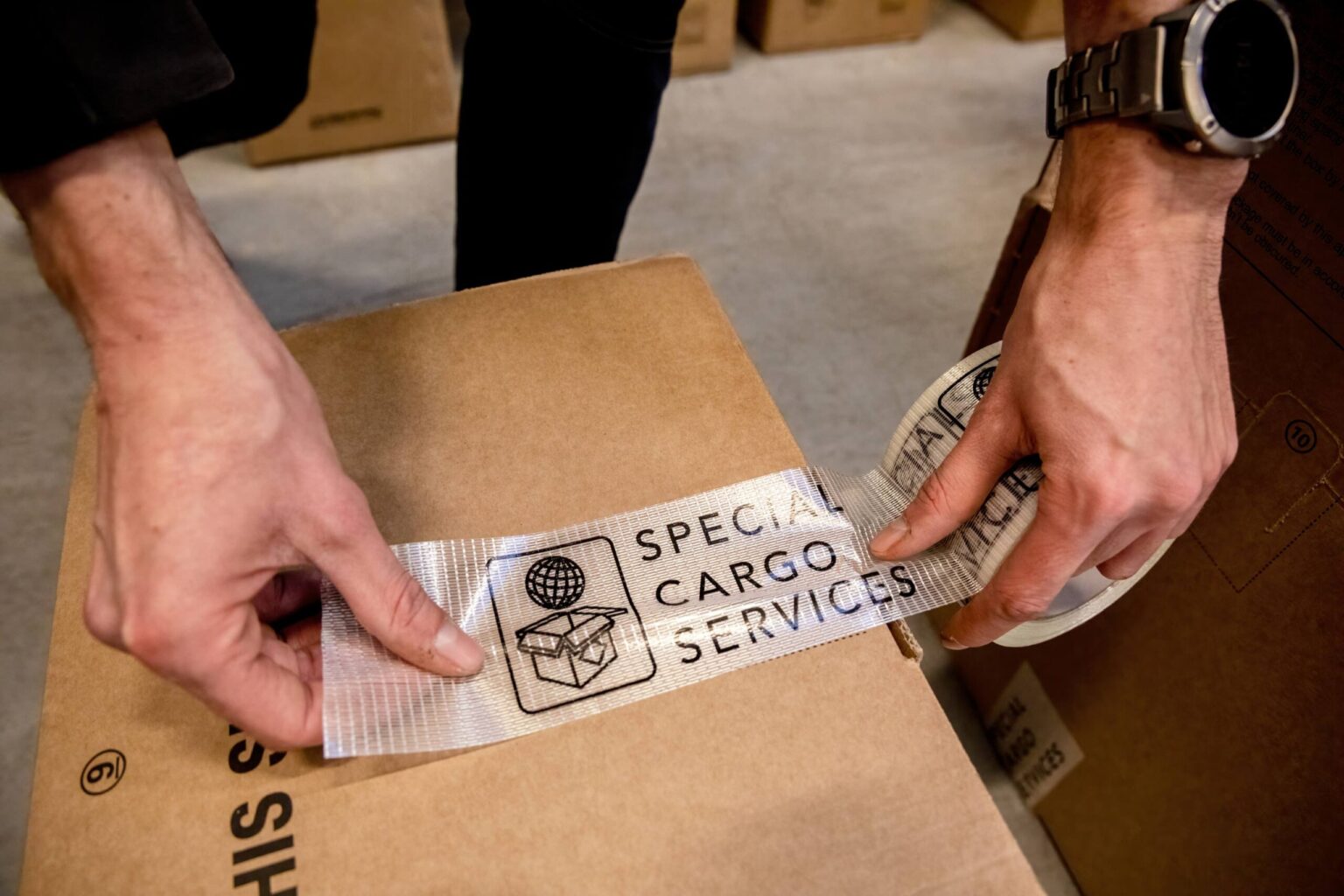
Every DG shipment poses unique challenges. We’re here to solve them.
From a single missing link to the entire chain: we determine what your shipment needs and handle those part of the process you’re looking to outsource. Practical, safe, and always in full compliance.
Why Special Cargo?
We support import declarations in the same practical spirit we bring to the rest of dangerous goods logistics. The customs filing is tied to the shipment, the warehouse reality, and the onward movement behind it, not treated as a stand-alone paperwork action. That gives customers a more useful customs service because the declaration helps the goods move properly into the EU chain instead of simply existing as a form that was submitted on time.
How we add value with import declarations
Shipment-linked filing: the declaration is prepared with the actual cargo and next step in mind.
Cleaner EU entry: customs filing supports a more workable move into release or onward handling.
Better customs fit: the paperwork reflects the real goods instead of drifting away from them.
Less avoidable friction: stronger alignment helps reduce confusion after import clearance.
DG-aware customs support: dangerous goods enter the EU chain with operational reality still in view.