






Re-export
Re-export declarations support goods that leave the European Union again after import or storage. We help prepare the filing so the next border crossing starts from a clearer and more controlled position.
What a re-export declaration covers
A re-export declaration covers goods that leave the European Union again after import, bonded storage, or another prior customs position within the EU chain. That makes it slightly different from a straightforward export. The filing has to connect not only to the outbound movement ahead, but also to the status the goods were previously under. In practice, re-export works best when that link to earlier customs handling remains clear from the start.
When re-export becomes relevant
Re-export becomes relevant when goods have entered the EU in one form or another, but are not intended to remain there permanently and now need to leave again. That may happen after storage, redistribution, project use, or a change in plan for the goods. In those cases, the re-export step helps connect the earlier customs reality to the new outbound movement, so the shipment can leave from a clearer and more controlled administrative position.
Linking prior storage or import to the next movement
The strength of a re-export declaration lies in how well it connects the next movement to what happened earlier in the chain. If the goods were imported, warehoused, or held under bond, that earlier customs position cannot simply be ignored once the outbound leg begins. Re-export support helps keep that continuity intact, so the shipment moves forward without leaving a loose customs gap between its previous EU status and its new departure.
Why re-export paperwork needs close attention
Re-export paperwork needs close attention because the shipment already carries customs history into the process. That extra layer makes weak assumptions riskier. The filing has to fit the goods as they now stand, but it also has to respect the route they took to get here. In dangerous goods logistics, where documentation already works closely with handling and onward transport, that continuity matters more, not less, when goods are leaving the EU again.
What re-export support helps avoid
Re-export support helps avoid confusion between earlier customs handling and the current outbound move. It reduces the chance that a previously stored or imported shipment is treated too simplistically at the moment it leaves again. In practical terms, that means a cleaner customs path out of the EU and fewer avoidable questions later about how the goods were positioned before departure. It helps close the loop more clearly on the EU side of the chain.
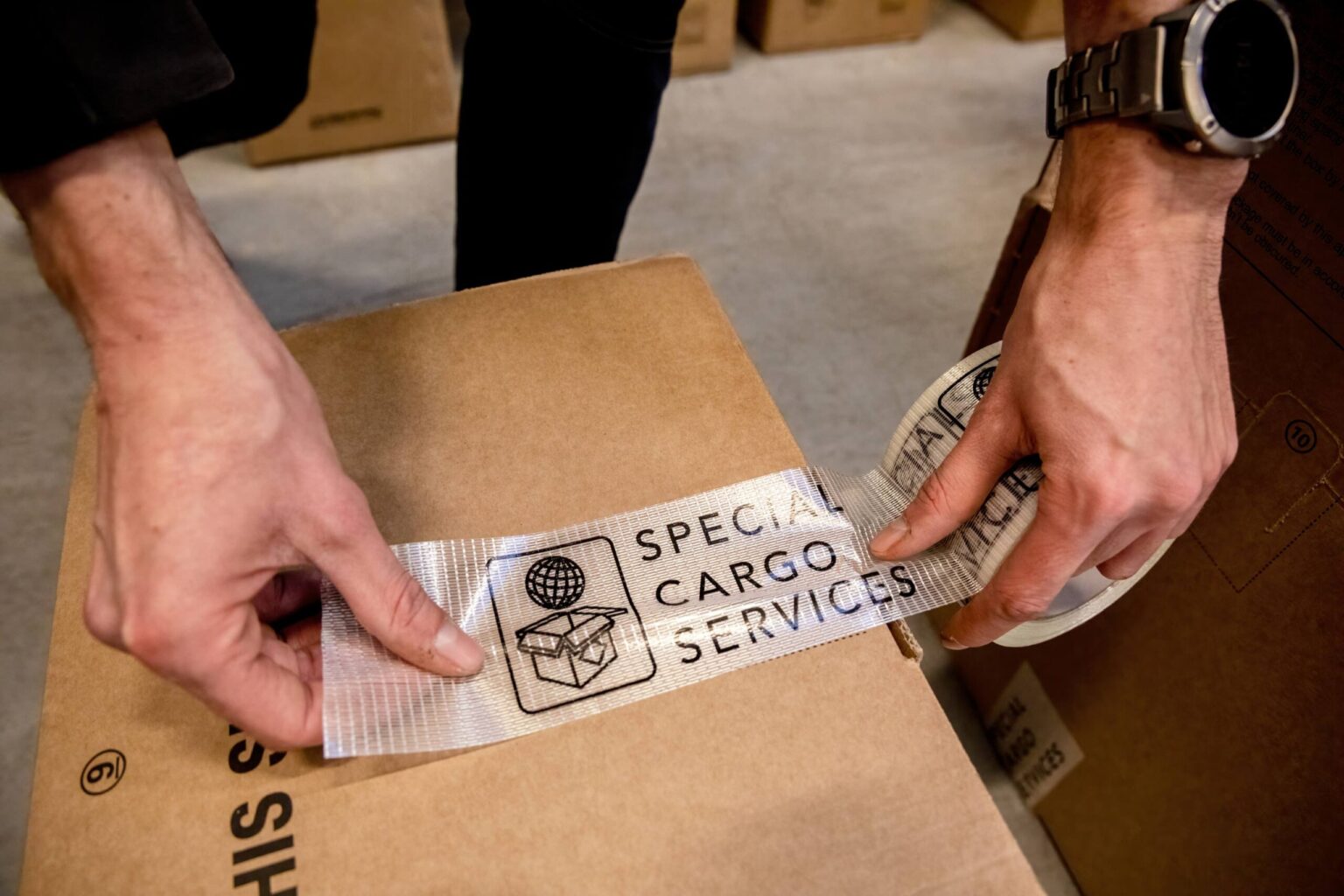
Every DG shipment poses unique challenges. We’re here to solve them.
From a single missing link to the entire chain: we determine what your shipment needs and handle those part of the process you’re looking to outsource. Practical, safe, and always in full compliance.
Why Special Cargo?
We handle re-export in the context of the wider DG process, which means we look not only at the departure ahead but also at the customs path that led to it. That matters because re-export is strongest when the paperwork stays connected to the real history of the goods. By linking customs support to warehousing, handling, and onward movement, we help customers leave the EU again without breaking continuity in the process around the shipment.
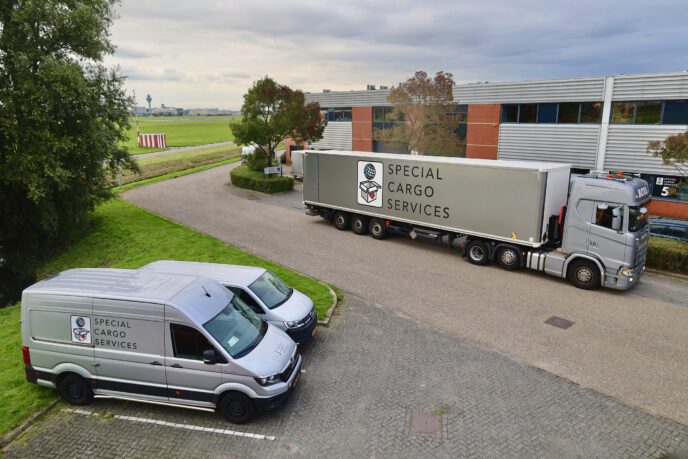
How we add value with re-export declarations
Customs continuity: the declaration connects the outbound movement to the shipment’s prior EU status.
Better process fit: re-export is handled with the earlier storage or import path still in view.
Cleaner departure: goods leave again on a more controlled customs basis.
Less administrative drift: the filing stays tied to the real history of the cargo.
DG-aware handling: customs support remains connected to the operational shipment chain.