






ADR
Road transport starts with the right ADR documentation in place. We prepare the papers needed for compliant DG movement by road, helping ensure the shipment is ready before the vehicle ever sets off.
What ADR documentation covers
ADR documentation covers the road transport papers required for dangerous goods movements under the applicable road transport rules. These documents need to reflect the shipment accurately so the road leg starts from a clear and compliant administrative position. That matters whether the movement is a short transfer between sites or part of a larger multimodal chain. If the road paperwork is weak, the rest of the shipment starts with an avoidable weakness already built in.
When ADR papers are required
ADR papers are required when dangerous goods are moved by road in circumstances where the shipment falls under the relevant regulatory framework. In practice, that includes many ordinary DG road movements between customer sites, warehouses, airports, ports, and other points in the chain. Because road transport often connects the less visible parts of the operation, the paperwork still needs to be taken seriously even when the road leg itself looks routine from the outside.
What the document set needs to reflect
The ADR document set needs to reflect the real shipment behind it, including the goods, the movement, and the practical road leg that is about to happen. It is not enough for the paperwork to look formally complete. It has to fit the cargo and the intended move in a way that supports cleaner transport and handover. That is why ADR documentation works best when it is prepared close to the actual handling and shipment setup.
Why road movements depend on correct paperwork
Road movements depend on correct paperwork because the vehicle and driver need to carry the right information for the load being transported. If the document side is weak, the movement starts on a weaker legal and operational basis than it should. In dangerous goods logistics, that is not a detail to shrug off. The road leg often connects important points in the wider chain, and a paperwork problem there can affect much more than one vehicle movement.
When ADR support saves time
ADR support saves time whenever the customer wants the road movement prepared properly from the start instead of having to revisit documentation at the moment of pickup or departure. It is particularly useful where the road leg is part of a bigger DG process and there is no appetite for preventable delay between sites. Good ADR support helps the movement begin cleanly, which is often the easiest point at which to prevent a later interruption.
Every DG shipment poses unique challenges. We’re here to solve them.
From a single missing link to the entire chain: we determine what your shipment needs and handle those part of the process you’re looking to outsource. Practical, safe, and always in full compliance.
Why Special Cargo?
We prepare ADR documents in the context of real dangerous goods operations rather than as isolated road forms. That means the paperwork is linked to the cargo, the pickup, and the next step in the chain behind it. Because road transport is one of the connective tissues of DG logistics, that practical context matters. It helps ensure the ADR document set supports the move properly instead of becoming one more weak point between otherwise solid operational steps.
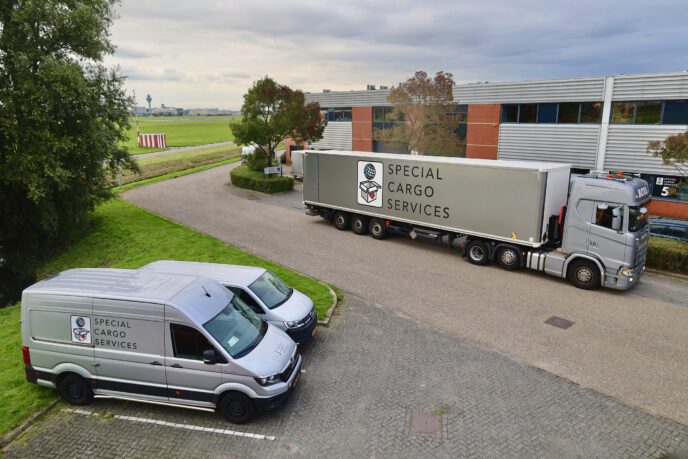
How we add value with ADR papers
Road leg in context: ADR documents are prepared with the actual movement and cargo in mind.
Cleaner departures: the vehicle starts with the paperwork it needs already in place.
Better shipment fit: documents reflect the real road movement instead of generic assumptions.
Stronger chain continuity: road paperwork supports the wider DG process around pickup and onward flow.
Less avoidable delay: stronger preparation reduces document friction at departure.