





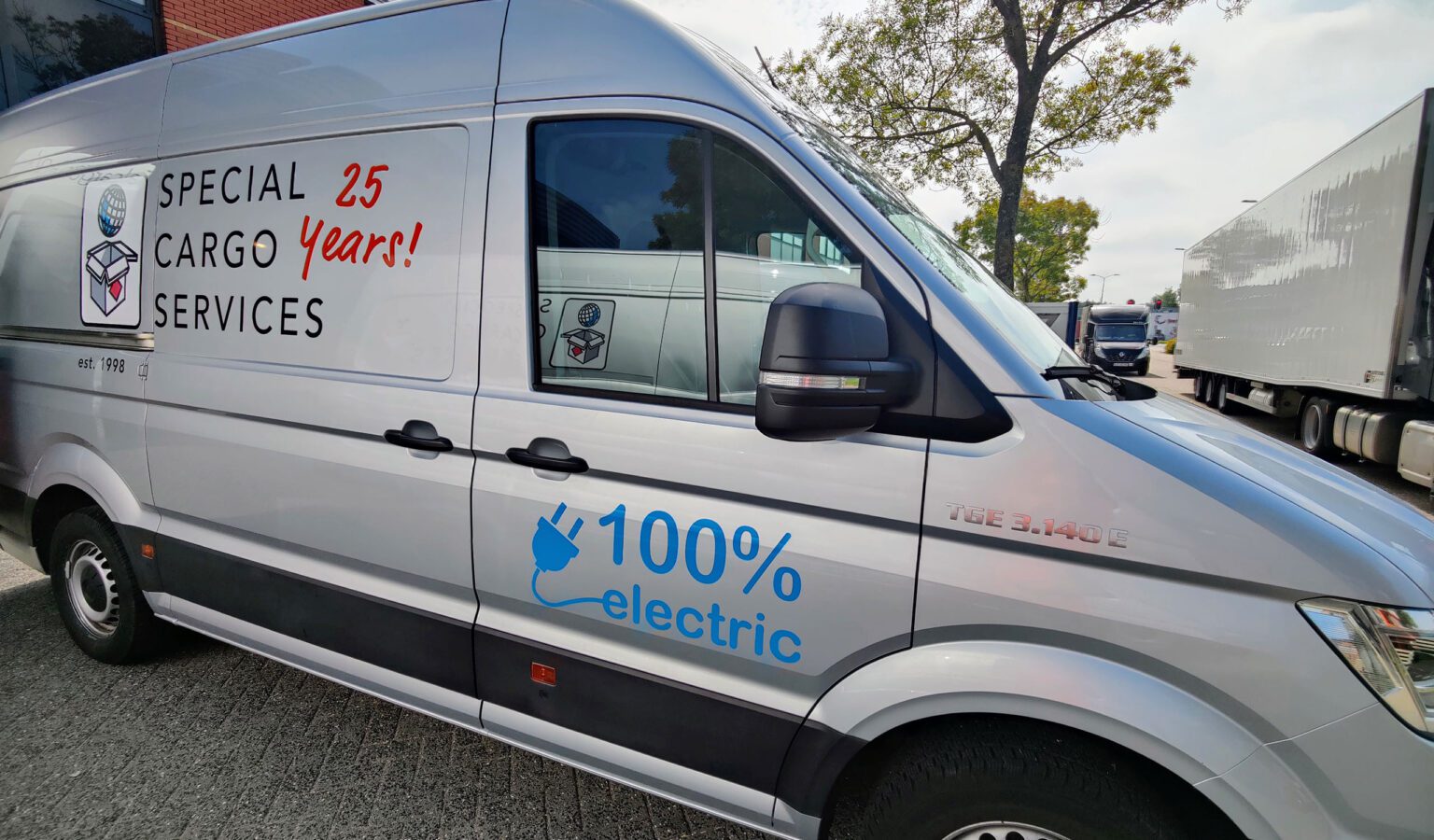
Road transport
Road transport connects sites, depots, airports, and ports. We support the road leg with pickup, paperwork, and practical handling, so dangerous goods move onward on a stronger footing from the start.
What road transport support includes
Road transport support includes the practical work needed to move dangerous goods between customer sites, warehouses, airports, ports, and other points in the chain. That may involve pickup, preparation for onward movement, or the road leg as a movement in its own right. Even where road is only one part of a larger shipment, it still needs the right documents, the right handling setup, and a clear understanding of what the cargo requires.
Connecting pickup, handling, and onward movement
The road leg often links different stages of the wider DG process. Goods may be collected from a customer, brought to one of our sites for preparation, or forwarded to the next point in the chain once the work is done. That means road transport is rarely just a vehicle movement from one address to another. It is part of a connected sequence, and it works best when the handovers around it are managed properly.
Why the road leg needs correct preparation
Road transport can look straightforward compared with air or sea, but the shipment still depends on correct preparation before the vehicle sets off. The papers need to be in place, the cargo needs to be ready, and the movement has to reflect the dangerous goods rules that apply to it. If the road leg starts weakly, the problem does not stay on the road. It follows the shipment into every later step it connects to.
Supporting cleaner handovers between locations
A road movement is often a handover between operational environments. Goods may move from a customer site to our facility, from our warehouse to an airport, or from one controlled point to another. We support those transitions so the handover is cleaner and the shipment arrives with a better basis for what comes next. That reduces confusion between parties and gives later steps a stronger start.
When road transport adds flexibility
Road transport adds flexibility whenever dangerous goods need to be collected, repositioned, or connected to another mode without building delay into the process. It is often the practical link that allows a wider shipment plan to work at all. That can be routine, or it can be urgent. In both cases, the value lies in having a road leg that supports the DG chain properly instead of acting as a weak point between two more visible stages.
Every DG shipment poses unique challenges. We’re here to solve them.
From a single missing link to the entire chain: we determine what your shipment needs and handle those part of the process you’re looking to outsource. Practical, safe, and always in full compliance.
Why Special Cargo?
We support road transport as part of a broader dangerous goods process, which means the movement is not separated from the preparation behind it or the next step ahead. That matters because pickup, documents, and handover all influence whether the road leg actually helps the shipment move forward cleanly. Our DG focus keeps that bigger picture in view, so road transport becomes a stronger operational link rather than just a booking on a vehicle.
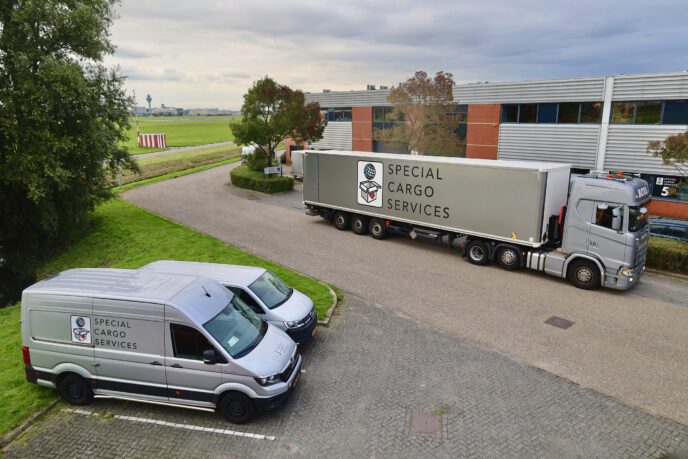
How we add value with road transport
Connected movement: the road leg is handled as part of the wider DG chain, not in isolation.
Stronger pickup process: cargo starts moving from a clearer and better prepared position.
Cleaner handovers: goods move between sites with more continuity and fewer loose ends.
Proper document support: the road movement is backed by the papers it needs before departure.
More flexible routing: road transport helps connect storage, preparation, and onward movement.