






Stuffing & loading
Proper stuffing and loading of hazardous materials takes more than space and labor alone. We plan the load, check compatibility, and build a secure setup that supports safer transport, steadier cargo, and fewer problems on arrival.
What proper stuffing & loading requires
Proper stuffing and loading require more than getting cargo into the available space. The load has to be planned with weight distribution, stability, compatibility, access, and transport conditions in mind. Hazardous materials make that even more important, because the consequences of a poor load setup are not limited to inconvenience. They can affect safety, condition, acceptance, and how the cargo behaves over the rest of the journey.
Why load planning matters
Load planning matters because the shipment starts behaving like a unit the moment it is packed and secured. If the setup is unstable, poorly distributed, or built without enough thought for what is being moved, problems may not show up until later, when they are harder to correct. Good planning helps prevent shift, damage, access issues, and avoidable disruption after the container or cargo unit has already left the warehouse.
Checking compatibility before loading
Not every product belongs next to every other product, and not every container setup supports the mix being proposed. Before loading begins, compatibility has to be considered alongside packaging condition, cargo type, and transport mode. That step is especially important in regulated cargo, where the wrong combination can create acceptance issues, handling concerns, or a load that is technically possible to build but not wise to move.
Building a safer, more stable load
A safer load is one that stays where it is supposed to stay and supports the journey it is about to make. We build container and cargo-unit setups with stability, restraint, and practical handling in mind, so the load is better protected during movement and easier to manage at destination. That approach helps create a more dependable result than simply fitting the cargo into place and hoping it behaves well in transit.
What poor loading can lead to
Poor loading can lead to shift, damage, imbalance, difficult unloading, rejected shipments, and questions that should have been resolved before departure. In the worst cases, it creates real safety concerns. Even when the outcome is less dramatic, a weak load setup can still cost time, money, and confidence. That is why stuffing and loading deserve more attention than they often receive in general cargo environments.
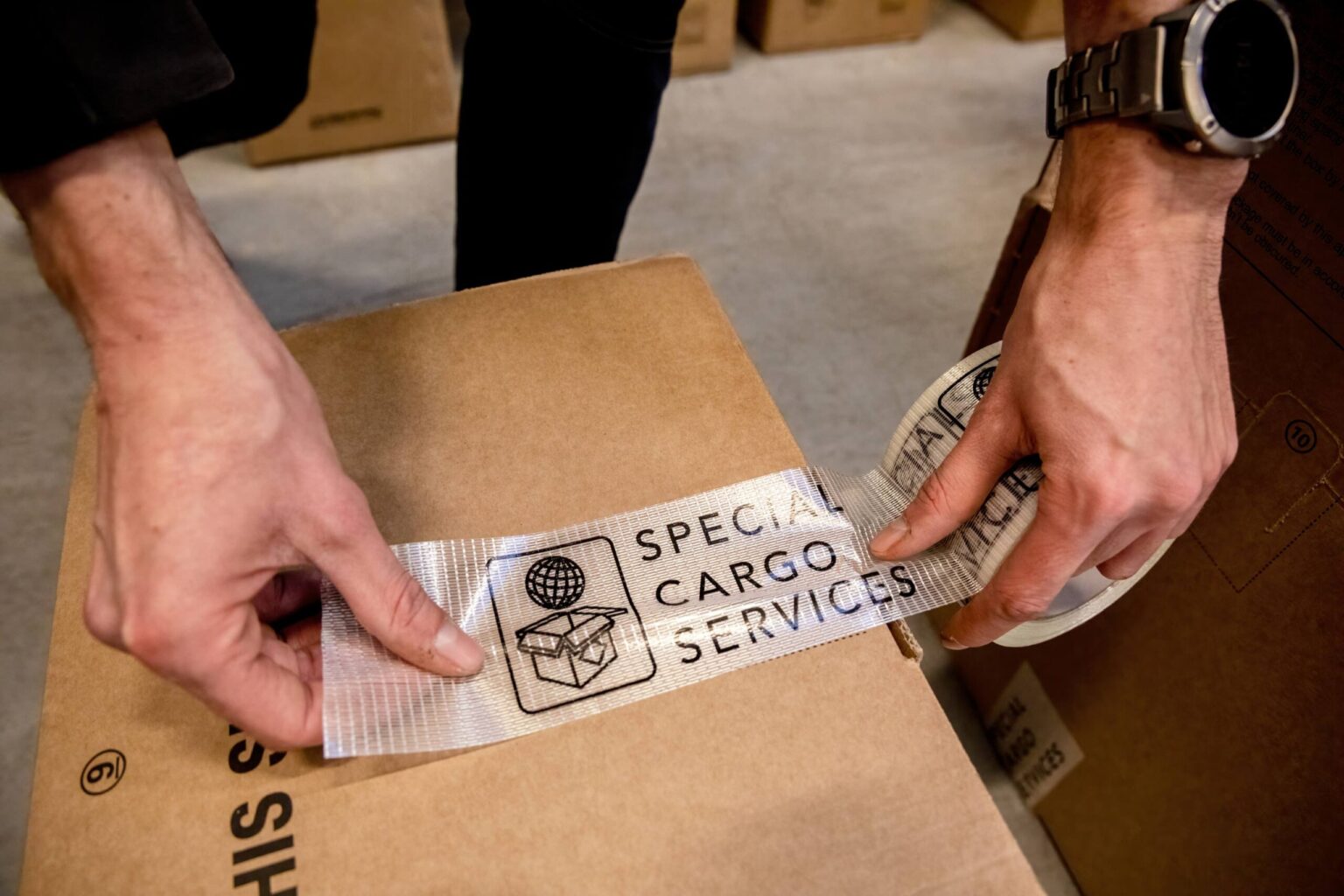
Every hazmat shipment poses unique challenges. We’re here to solve them.
From a single missing link to the entire chain: we determine what your shipment needs and handle those part of the process you’re looking to outsource. Practical, safe, and always in full compliance.
Why Special Cargo?
We handle regulated cargo in a way that respects what the journey will demand of it. That shows in our approach to stuffing and loading. Our team does not treat this as the final warehouse chore before departure. We treat it as part of the shipment-preparation process, where planning, compatibility, and stability still matter and where the quality of the work will follow the cargo long after it leaves the dock.
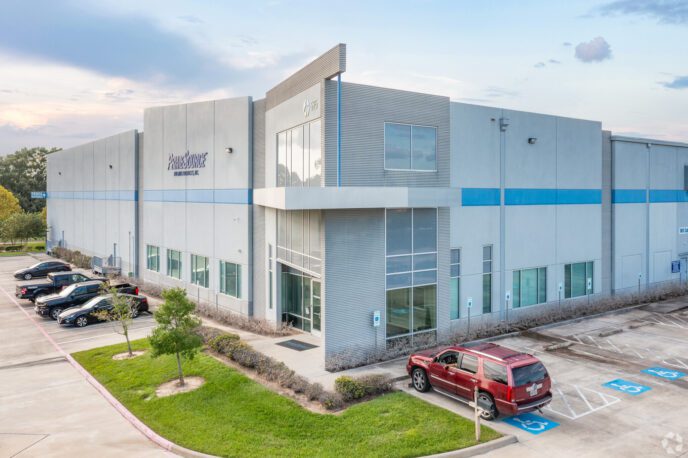
How we add value with stuffing & loading
Planned load setup: Containers are built around stability, distribution, and practical transport conditions.
Compatibility awareness: Cargo combinations are checked before loading starts, not after problems arise.
Safer transit behavior: Better restraint and structure help reduce shift and avoidable in-transit damage.
Cleaner arrival conditions: A well-built load is easier to handle and unload at destination.
Preparation that travels well: Loading quality supports the shipment long after it leaves the warehouse.