






Stuffing & loading
Proper stuffing and loading take more than space and manpower alone. We plan the load, check compatibility, and build a secure setup that supports safer DG transport, steadier cargo, and fewer problems on arrival.
What proper stuffing & loading requires
Proper stuffing and loading require more than available space and a forklift. The load needs a plan that reflects the goods, the transport mode, and the physical stresses the shipment may encounter along the way. Dangerous goods also raise questions about compatibility, stability, and what extra materials may be needed to build the load correctly. A sound result starts with preparation, not with simply filling the container.
Why load planning matters
Load planning matters because the journey itself will test the setup. If cargo is placed without thought for weight distribution, movement, compatibility, or restraint, the container may still close and depart, but the weakness remains there waiting to show itself later. That can happen at sea, on the road, or at arrival. A planned load is not just tidier. It is far more likely to stay safe and workable through the move.
Checking compatibility before loading
Before goods are loaded together, it is important to assess whether they belong together in the first place. Dangerous goods may not always be suitable to ship side by side, and a good loading plan takes that into account before the first unit is committed. Compatibility is one of the areas where careful preparation makes a real difference, because a poor decision at loading stage can be difficult or costly to undo later.
Building a safer, more stable load
A safer load is one that remains stable, stays intact, and supports clean arrival at the other end of the journey. That means looking beyond the moment of loading itself and asking how the container will behave in real transport conditions. We build loads with that in mind, so the setup supports safer movement, stronger cargo integrity, and fewer surprises once the container is opened again at its destination.
What poor loading can lead to
Poor loading can create problems that stay hidden until the shipment is already far down the line. Cargo may shift, packaging may be damaged, leaks may develop, or the receiving party may open the container to find a situation that is no longer safe or workable. Those outcomes are often preventable. The loading stage is one of the best opportunities to reduce them before the container ever leaves the site.
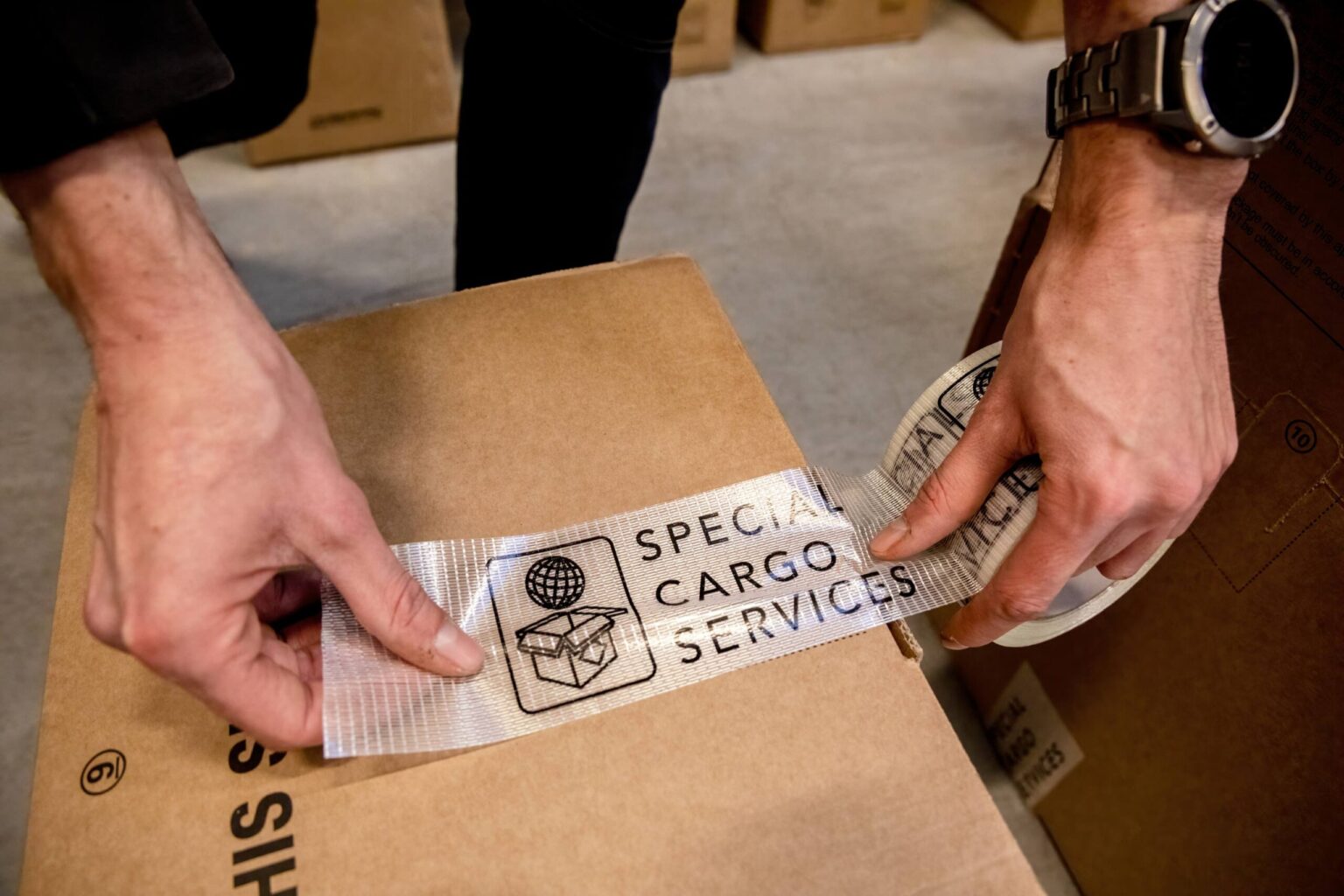
Every DG shipment poses unique challenges. We’re here to solve them.
From a single missing link to the entire chain: we determine what your shipment needs and handle those part of the process you’re looking to outsource. Practical, safe, and always in full compliance.
Why Special Cargo?
A lot of companies can fill a container. Far fewer take the time to treat stuffing and loading as a responsibility with real consequences. We plan the load, check what belongs together, and build the setup with the journey ahead in mind. That reflects the way we approach dangerous goods more broadly: not by hoping conditions stay favorable, but by preparing the shipment properly before it is exposed to them.
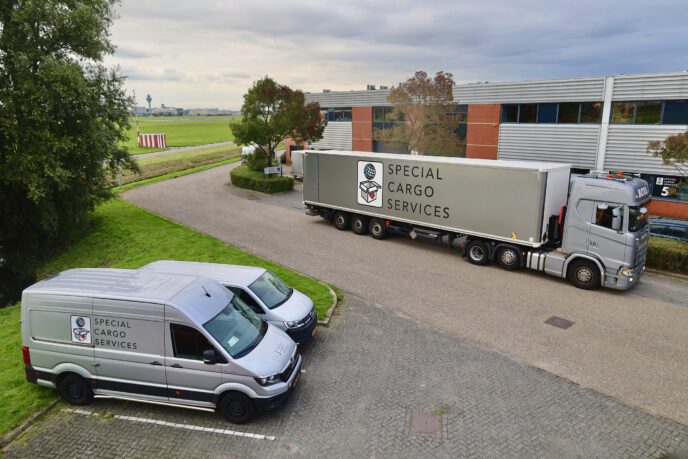
How we add value with stuffing & loading
Plan before loading: we build the setup around the cargo and the journey, not just the space available.
Compatibility first: goods are assessed before they are placed together in one load.
Stability by design: the final setup is built to remain safer and more workable in transit.
Fewer downstream problems: better loading reduces the risk of damage, movement, or unsafe arrival.
DG-aware execution: dangerous goods are loaded with more than general freight habits in mind.