





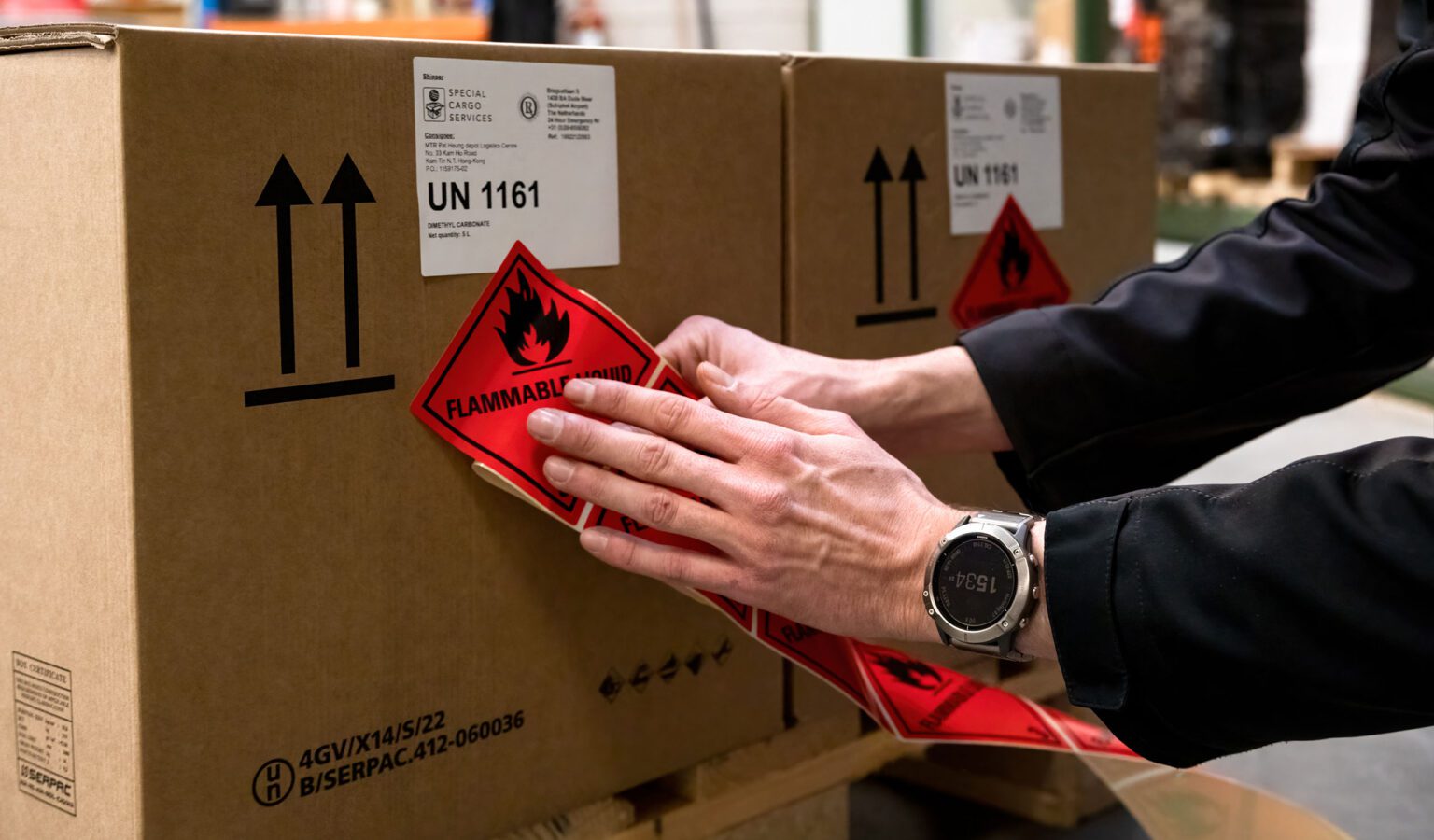
Load correction
A poor load setup can create problems long before hazardous cargo reaches its destination. We correct unstable or unsuitable configurations so the shipment is safer to handle, better protected, and fit to continue its journey.
When a load needs correction
A load needs correction when the shipment is no longer arranged in a way that supports safe handling, practical movement, or a credible onward journey. That may involve unstable cargo, poor weight distribution, inadequate restraint, or a setup that was never suitable for the mode and route involved. In hazmat flows, it does not take a dramatic failure for correction to become necessary. A questionable setup is often reason enough.
What makes a load unworkable or unsafe
A load becomes unworkable or unsafe when the cargo cannot be trusted to behave properly once movement begins or resumes. That may mean shift risk, damage exposure, difficult unloading, poor access, or instability that creates concern long before the destination is reached. In regulated cargo, these issues are not cosmetic. They affect how the shipment is handled, whether it is accepted, and what level of confidence anyone can reasonably have in the load as built.
Correcting the setup before onward movement
Correcting the setup before onward movement means dealing with the problem while the cargo is still in a place where the work can be done deliberately. That may involve rebuilding the load, improving restraint, adjusting the arrangement, or reworking the shipping unit so it behaves more predictably in transit. The point is to restore a load condition that supports the next leg, rather than sending the same weakness further downstream and hoping it stays quiet.
Why load issues should not be left in place
Load issues should not be left in place because they rarely stay small once the shipment starts moving. A setup that already looks questionable in the warehouse tends to become less trustworthy after transport stress, additional handling, or another transfer point. Leaving it alone may save a short conversation at the moment, but it often creates a more difficult one later, when the cargo is farther away and the consequences are more expensive.
What proper correction helps avoid
Proper load correction helps avoid preventable damage, unstable transit behavior, difficult arrival conditions, and the sort of avoidable rejection or delay that begins with a weak load setup and ends in a broader dispute about who should have fixed it sooner. It also helps restore confidence around the shipment. Once the load has been corrected properly, the next stage can begin on a basis that is easier to defend and easier to work with.
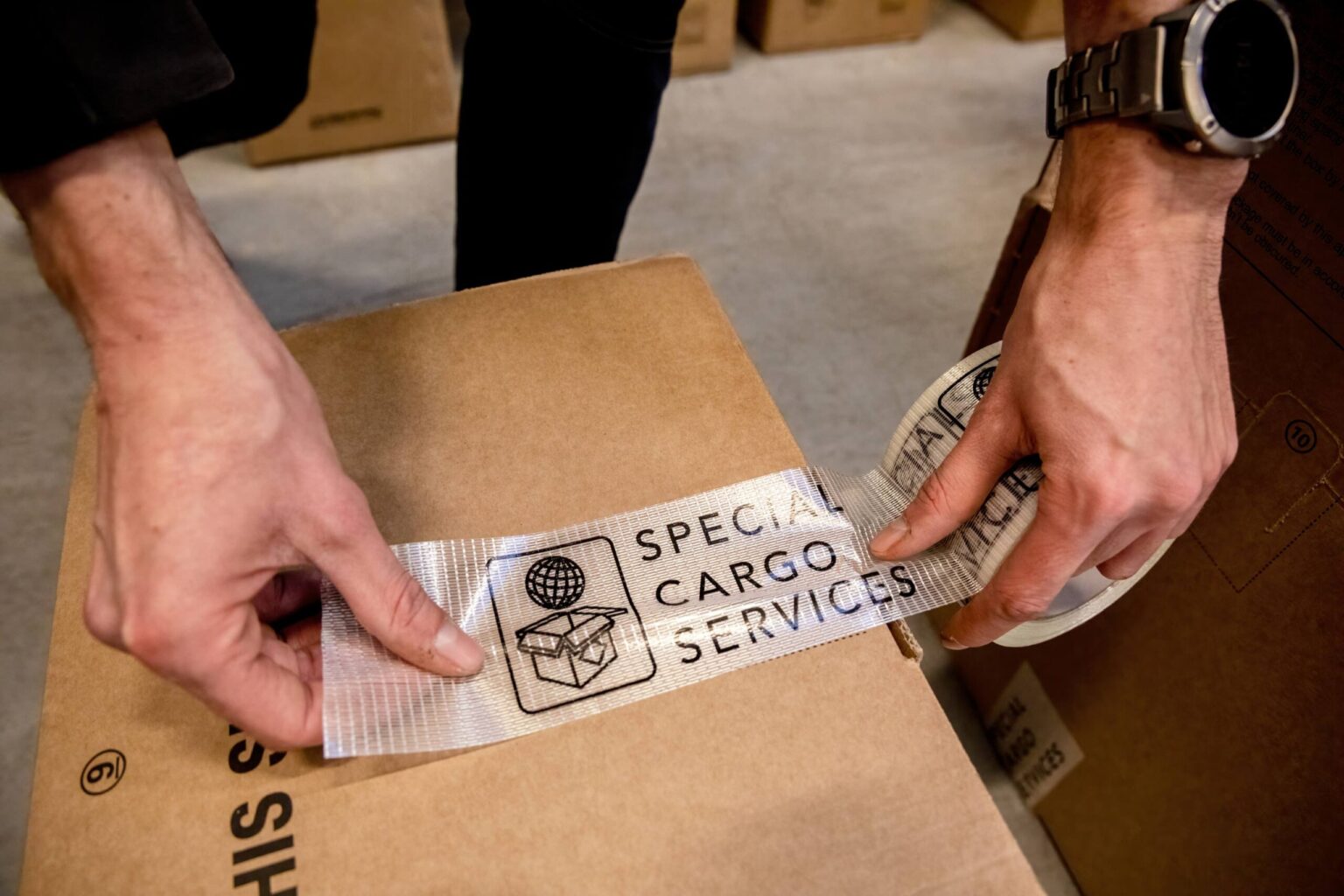
Every hazmat shipment poses unique challenges. We’re here to solve them.
From a single missing link to the entire chain: we determine what your shipment needs and handle those part of the process you’re looking to outsource. Practical, safe, and always in full compliance.
Why Special Cargo?
Special Cargo understands that load quality is part of shipment readiness, not something separate from it. Our team works with cargo units, containers, and regulated shipments that need to move on a stable and workable basis. That practical experience helps us recognize when a load needs correction and approach the fix with the same attention to safety, control, and transport reality that should have shaped the original setup.
How we add value with load correction
Earlier intervention: We help fix weak load setups before they create larger downstream problems.
Stability-focused correction: The goal is a load that behaves more predictably in transit.
Mode-aware judgment: Corrections are made with the next transport leg in mind.
Reduced avoidable damage: Better setup helps protect cargo during movement and handling.
Stronger shipment confidence: The load moves onward on a more defensible operational basis.