





Salvage
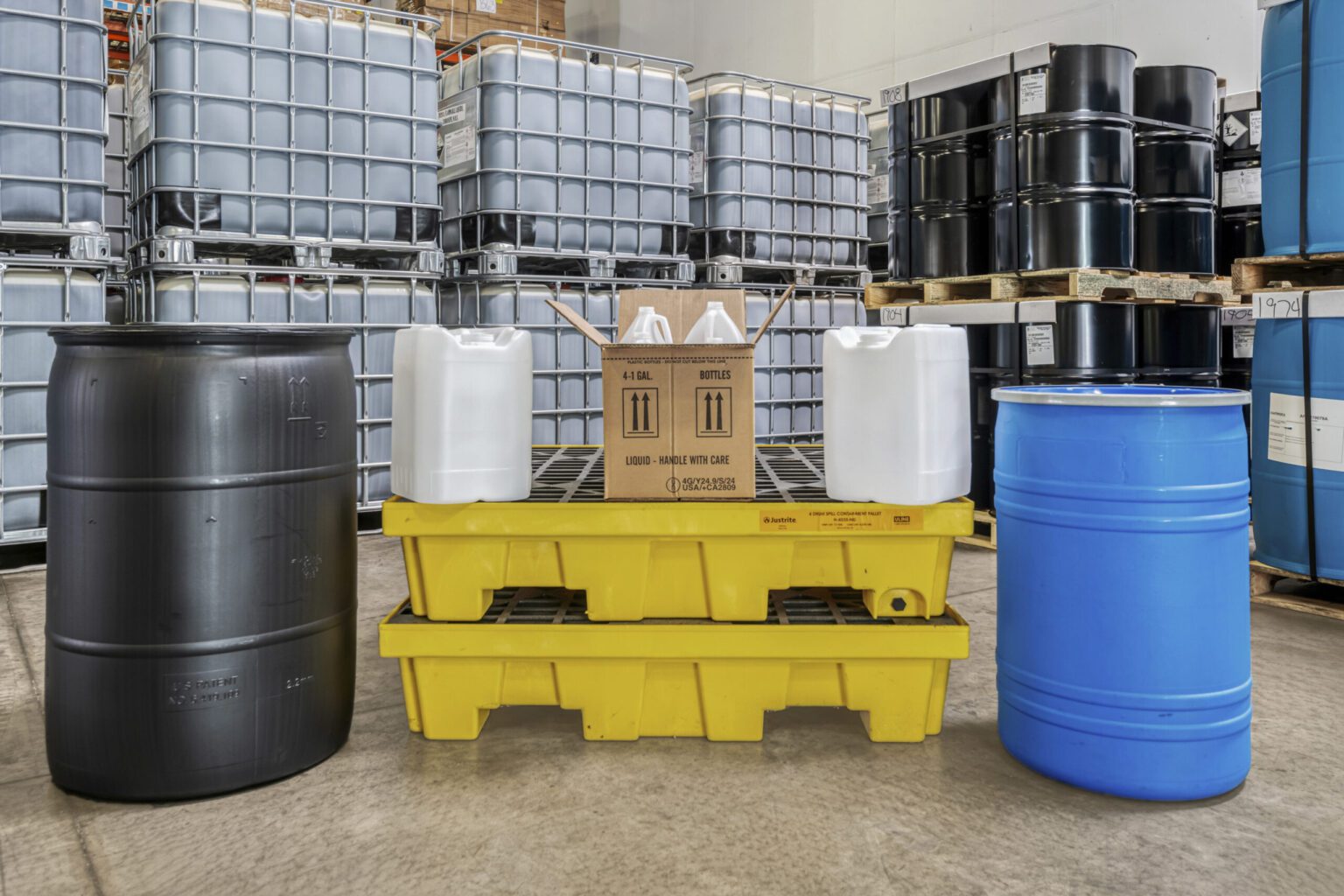
Damaged or leaking hazardous materials need a calm, capable response. We recover cargo safely, contain the risk, and prepare the next step, whether that means repacking, transfer, or controlled onward handling.
When salvage becomes necessary
Salvage becomes necessary when cargo is damaged, leaking, compromised, or otherwise no longer in a condition that supports normal handling. At that point, the question is not how to continue the shipment as planned, but how to regain enough control to make a safe and practical next step possible. In hazmat work, that often means acting quickly without acting carelessly, because both delay and improvisation can make the situation harder to contain.
Containing risk around damaged or leaking cargo
Containing risk around damaged or leaking cargo starts with limiting how far the problem can spread. That may involve isolating the affected goods, assessing the condition of surrounding cargo, and stabilizing the immediate handling environment before more decisions are made. The purpose is to reduce exposure and uncertainty so the shipment can be understood and addressed on a clearer basis instead of becoming a larger and more disorderly incident.
Using salvage packaging to regain control
Salvage packaging helps restore control when the original package no longer provides a usable basis for movement or containment. It creates a more secure interim state around cargo that would otherwise remain too exposed or too unstable to manage confidently. In that sense, salvage packaging is not just a container choice. It is part of how the shipment is brought back under practical control so the next decision can be made responsibly.
Moving cargo to a safer next step
A safer next step may involve repacking, transfer, holding the cargo under controlled conditions, or directing it toward disposal rather than continued movement. What matters is that the shipment is no longer treated as if nothing happened. Salvage work creates the conditions for a realistic next move, based on what the cargo can still support rather than what the original plan assumed before the damage or leak changed the situation.
What salvage support makes possible
Salvage support makes it possible to move from disruption toward control. It helps turn a shipment that may now be unsafe, unworkable, or unacceptable in its current state into one that can be assessed, contained, and directed more intelligently. The value lies not in making the problem disappear, but in creating a more stable basis for whatever comes next, whether that is recovery, disposal, or a carefully managed onward step.
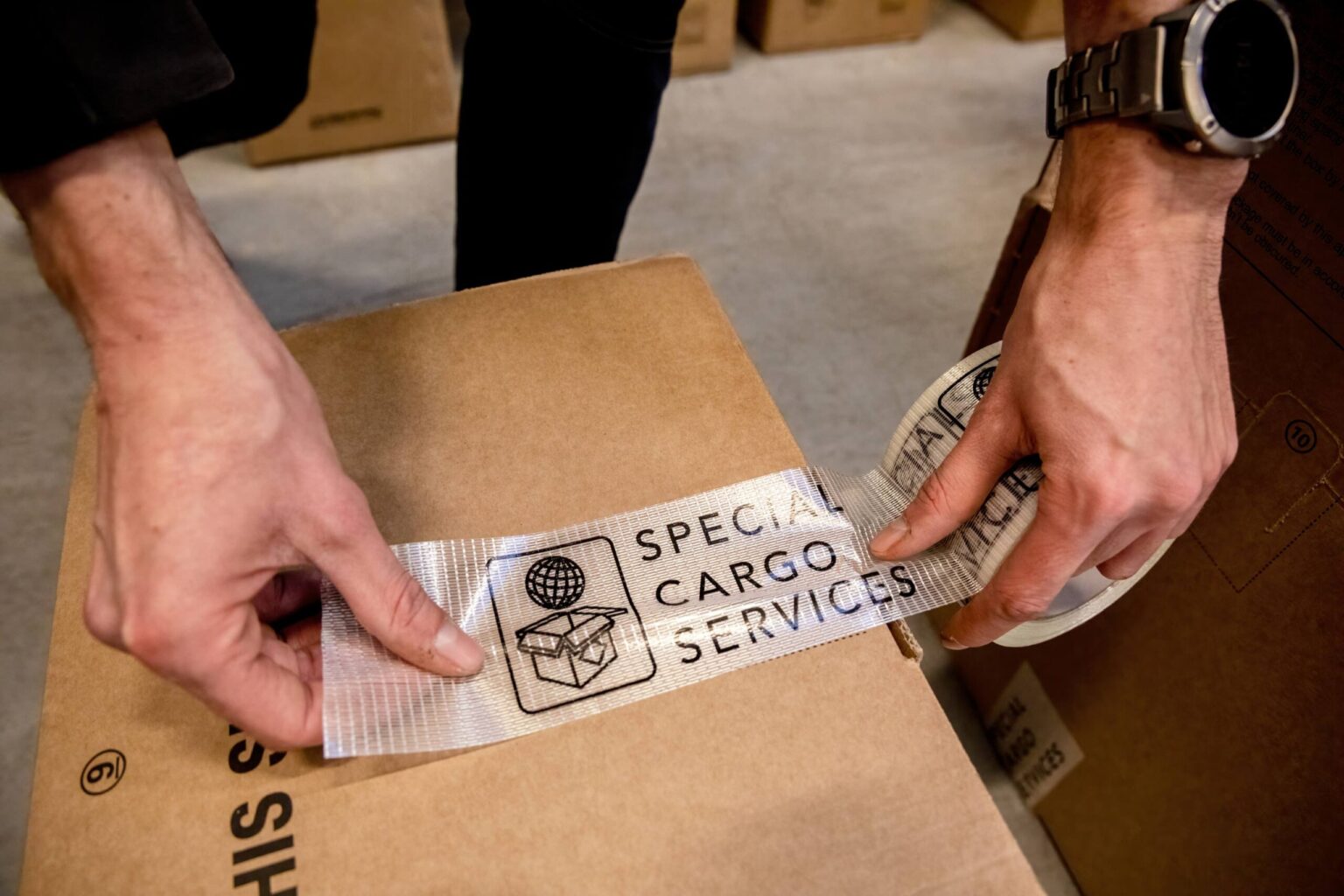
Every hazmat shipment poses unique challenges. We’re here to solve them.
From a single missing link to the entire chain: we determine what your shipment needs and handle those part of the process you’re looking to outsource. Practical, safe, and always in full compliance.
Why Special Cargo?
Special Cargo approaches salvage with the calm, structured mindset that damaged hazmat cargo requires. Our team understands that once containment fails or packaging is compromised, the priority is to restore control without creating a second problem through rushed handling. Because we already work with packing, correction, and regulated cargo preparation every day, we can support salvage as part of a broader recovery process instead of a disconnected emergency task.
How we add value with hazmat salvage
Control after damage: We help stabilize cargo that is leaking, compromised, or no longer safely workable.
Containment-minded response: Immediate action is focused on limiting spread and reducing uncertainty.
Salvage packaging support: Damaged cargo can be brought back under a more secure interim condition.
Safer next-step planning: Recovery, transfer, storage, or disposal can be approached on a clearer basis.
Structured handling under pressure: Customers get a calmer, more deliberate response when normal shipment flow has failed.