


Bill of Lading (B/L)
A bill of lading supports the sea leg of a shipment, but it also reflects earlier preparation. We help put the document set in order so containerized hazmat cargo can move on smoothly with fewer loose ends.
What a bill of lading does
A bill of lading supports the sea-freight part of the shipment by helping formalize how the cargo is being handed into that transport context. For hazmat shipments, it belongs in a wider document set that should reflect the cargo, the container or load setup, and the export path with reasonable accuracy. The B/L is therefore more than an administrative requirement. It is part of how the sea leg becomes a real and workable continuation of the shipment.
How the B/L supports sea freight
The B/L supports sea freight by helping connect warehouse preparation and container readiness to the actual export stage. That support works best when the document is aligned with the physical shipment rather than treated as something that can be assembled without much reference to how the cargo was prepared. A stronger B/L contributes to a more coherent sea-freight handoff and reduces the risk that the file and the load begin diverging before the vessel leg.
Why the document must match the shipment
The document must match the shipment because containerized cargo is difficult to defend once the file stops reflecting what was actually built, packed, or released. A mismatch may not always become obvious immediately, but when it does, it tends to surface at a stage where correction is slower and less welcome. Good B/L preparation helps keep that from happening by treating the sea-freight document as part of shipment control, not just shipment history.
Connecting cargo preparation to sea export
Connecting cargo preparation to sea export means recognizing that the sea leg starts long before the container reaches the port. The quality of the load, the readiness of the file, and the coherence of the shipment all shape how well that leg will begin. The B/L helps formalize the document side of that transition. When it is prepared with the cargo in mind, the sea-freight handoff becomes more credible and more manageable.
When B/L support adds control
B/L support adds control when the shipment is important enough that the customer does not want sea-freight paperwork treated as a final box-checking exercise. It is especially valuable where containerized hazmat cargo has already required careful loading, documentation, or coordination before export. In those situations, better B/L support helps preserve the quality of the earlier work instead of letting the document layer become the weaker final step.
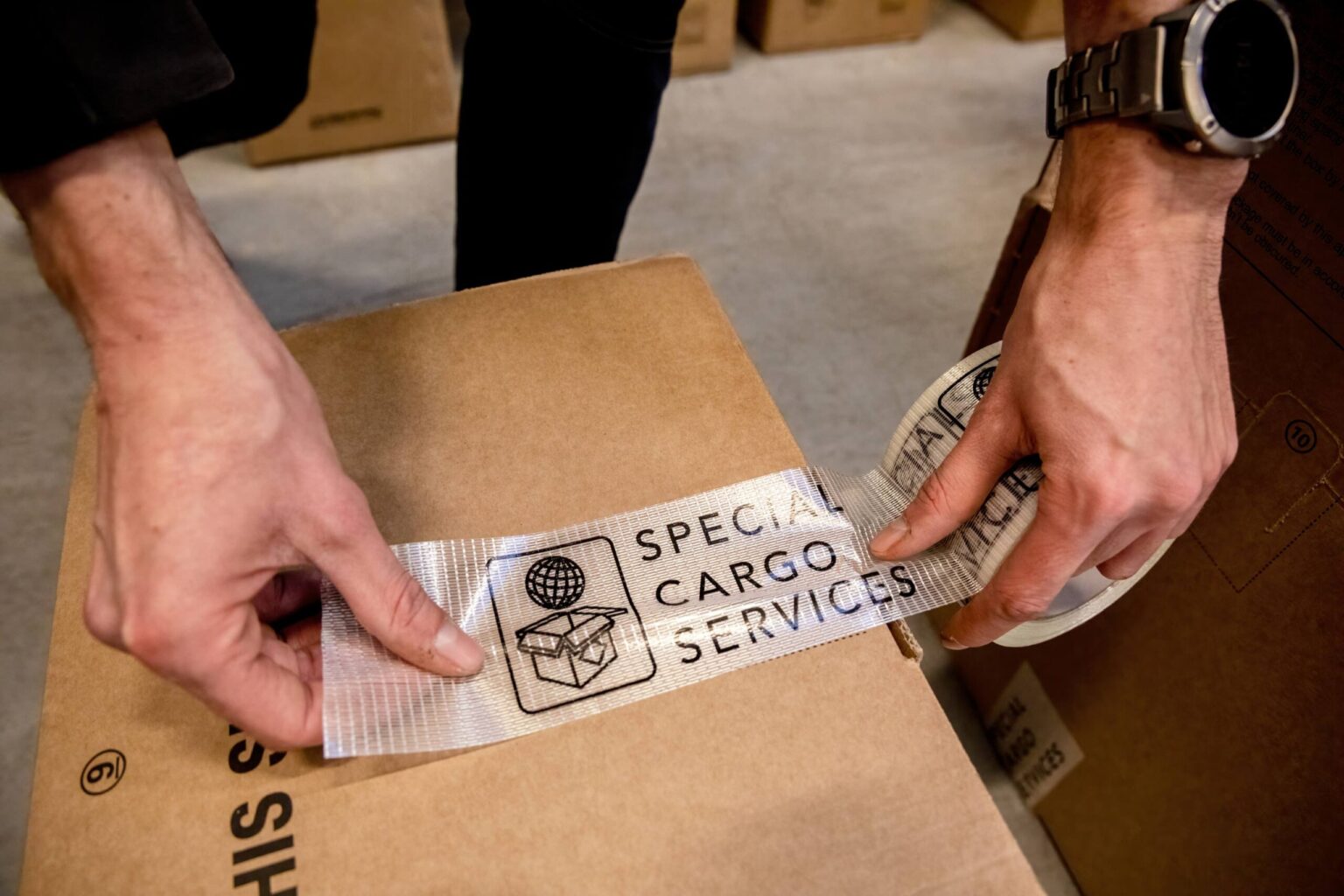
Every hazmat shipment poses unique challenges. We’re here to solve them.
From a single missing link to the entire chain: we determine what your shipment needs and handle those part of the process you’re looking to outsource. Practical, safe, and always in full compliance.
Why Special Cargo?
Special Cargo supports bills of lading from close to the container preparation and export handoff they are meant to serve. Our team understands how the B/L fits into a broader sea-freight shipment picture that already includes packaging, loading, and release logic. That helps us support the document in a way that is more operationally grounded and better aligned with the export movement it is supposed to help carry forward.
How we add value with bills of lading
Sea-leg document support: B/Ls are prepared with export movement and containerized cargo in view.
Closer load-to-file alignment: The document reflects the shipment as it has actually been prepared.
Reduced export loose ends: Better support helps prevent sea-freight paperwork from becoming the weak link.
Stronger container handoff: Warehouse prep and vessel-leg documentation connect more cleanly.
Practical export readiness: The B/L supports a more coherent start to the sea-freight stage.