


Bill of Lading (B/L)
A bill of lading supports the sea leg of a shipment, but it also reflects earlier preparation. We help put the document set in order so DG containerized cargo can move on with fewer loose ends.
What a bill of lading does
A bill of lading supports the sea leg of the shipment by documenting the cargo movement in a form that belongs within the broader sea freight file. For dangerous goods, it sits alongside the handling, loading, and export preparation that made the sea movement possible in the first place. The B/L therefore does not stand apart from the shipment. It works best when it reflects the cargo and the sea export process around it accurately.
How the B/L supports sea freight
The B/L supports sea freight by helping formalize the cargo movement at the point where the sea leg and its commercial handover become more concrete. That usefulness depends on context. A bill of lading is far more valuable when it is connected clearly to the containerized cargo, the shipment plan, and the export setup behind it. Sea documentation is strongest when it supports the operational chain instead of lagging behind it.
Why the document must match the shipment
The document must match the shipment because weak correspondence between the B/L and the real goods creates unnecessary friction in a chain that already depends on strong preparation at origin. If the sea freight file drifts away from the cargo it describes, problems can surface later in the export flow or at arrival. A stronger match helps preserve continuity between stuffing, export handling, and the sea leg the goods are now entering.
Connecting cargo preparation to sea export
Connecting cargo preparation to sea export matters because the bill of lading is most useful when it reflects the work that already went into making the shipment sea-ready. The loading plan, the container setup, and the wider export preparation should all feed into a file that still makes sense once the shipment moves onward by sea. We help keep that connection visible, so the B/L supports the sea move as part of a coherent whole.
When B/L support adds control
B/L support adds control whenever the customer wants the sea freight documentation handled with a clear view of the cargo and the export process around it. That is especially useful where containerized DG flows involve multiple handovers before the vessel is even involved. In those cases, better B/L preparation helps preserve order in the file and gives the sea leg a stronger administrative basis from the moment the shipment leaves origin.
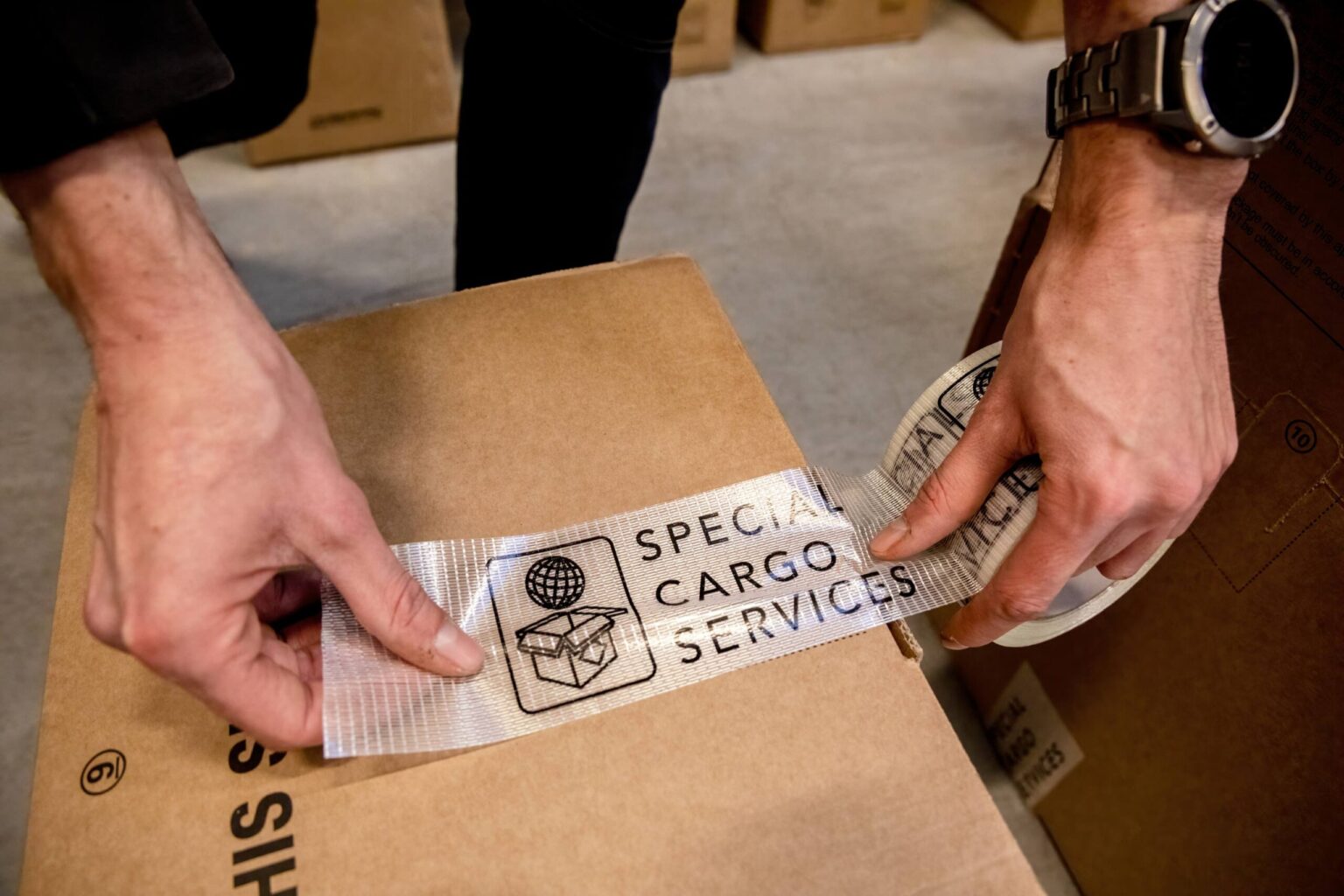
Every DG shipment poses unique challenges. We’re here to solve them.
From a single missing link to the entire chain: we determine what your shipment needs and handle those part of the process you’re looking to outsource. Practical, safe, and always in full compliance.
Why Special Cargo?
We support bills of lading as part of the practical sea export process, not as detached paperwork completed after the fact. That matters because sea freight quality depends heavily on what happens before departure, including document quality. By linking B/L handling to the real shipment, loading, and export flow behind it, we help customers move dangerous goods into sea freight with stronger continuity between operations and paperwork.
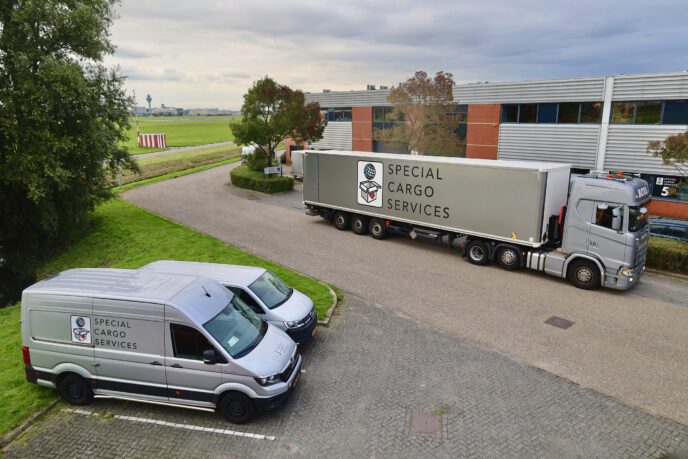
How we add value with bills of lading
Sea file in context: the B/L is handled as part of the wider sea freight preparation around the cargo.
Closer shipment match: the document reflects the real goods and export move more accurately.
Better export continuity: B/L preparation connects more cleanly to loading and onward sea handling.
Stronger file control: the sea leg starts from a more coherent administrative basis.
DG-aware sea support: bills of lading are prepared with the practical export chain still in view.