





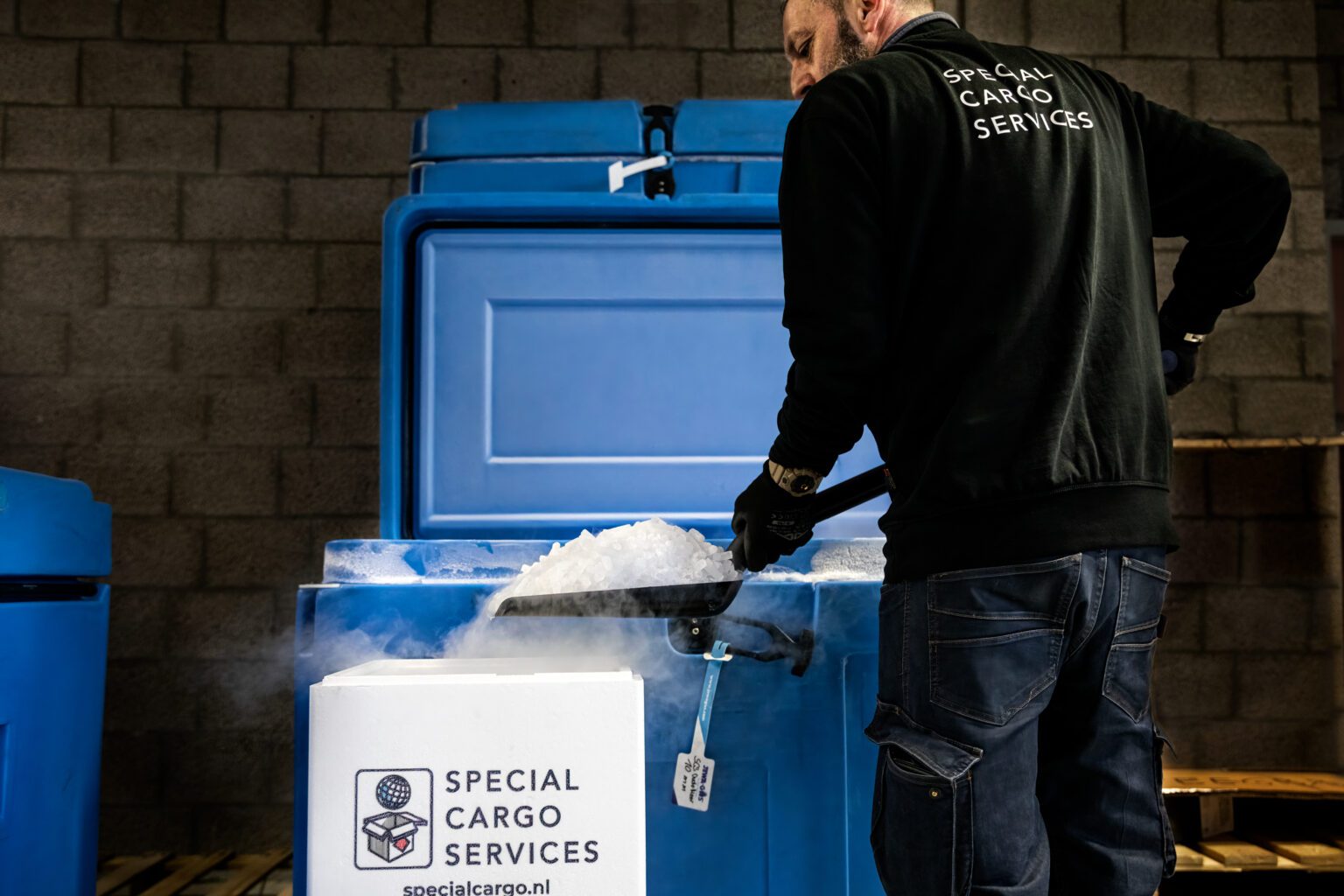
Dry ice & re-icing
Dry ice support is often about timing as much as temperature control. We supply, top up, and re-ice hazmat shipments quickly when delays or transit changes put product condition and planning under pressure.
When dry ice support is needed
Dry ice support is needed when a temperature-sensitive shipment cannot rely on its original setup all the way through transit. Delays, schedule changes, and unexpected dwell time can all put product condition at risk. In those moments, the issue is not simply whether cooling is available. It is whether the shipment can be brought back into a workable state quickly enough to protect the cargo without losing control of the regulated side of the move.
Why timing matters with dry ice
Timing matters with dry ice because temperature control does not wait for paperwork or ideal planning conditions. Once a shipment begins to drift beyond its intended transit profile, the margin for a clean correction gets smaller. The faster the situation is recognized and addressed, the better the chance that product condition can be protected. Delay in response often matters just as much as the amount of dry ice ultimately added.
Re-icing shipments when plans change
Re-icing becomes important when transit plans no longer match the original preparation assumptions. That may happen because of missed connections, operational backlog, or a change in departure timing. In those cases, the shipment may still be viable, but only if the cooling support is restored in time. Re-icing helps keep the shipment workable when the route has changed but the need to preserve product condition has not.
Supporting temperature control in transit
Temperature control in transit depends on practical support before the shipment moves again. Dry ice is one part of that support, but the real value lies in using it at the right moment and in the right context. We help customers respond when time and temperature begin working against the shipment, so the cargo has a better chance of continuing under conditions that still make operational sense.
What dry ice handling needs to take into account
Dry ice handling needs to take into account the shipment type, timing, packaging setup, and the fact that the cargo is already moving through a regulated chain. The goal is not simply to add cooling material and hope for the best. It is to support the shipment in a way that respects both product condition and the practical realities of transport preparation, handoff, and onward movement.
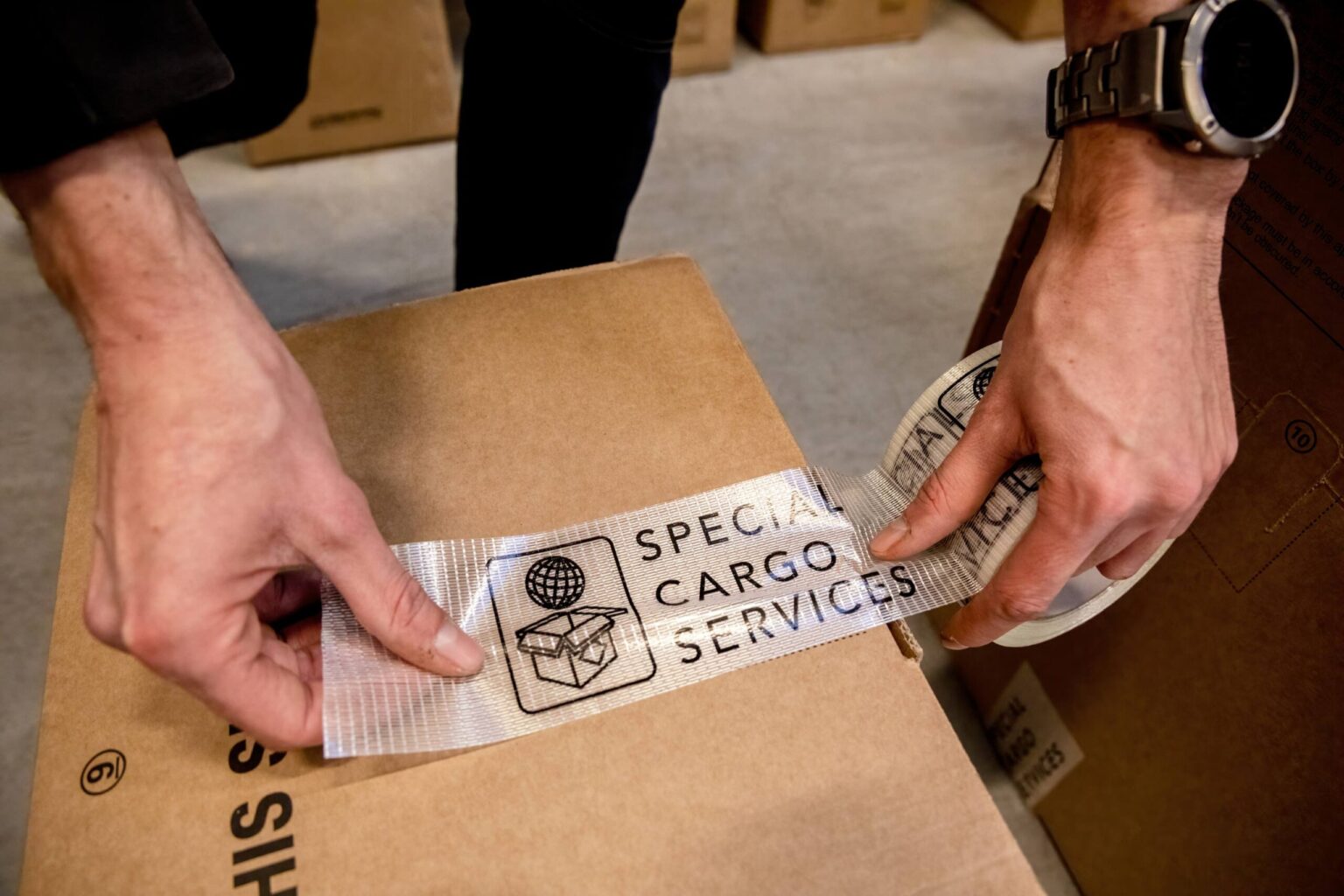
Every hazmat shipment poses unique challenges. We’re here to solve them.
From a single missing link to the entire chain: we determine what your shipment needs and handle those part of the process you’re looking to outsource. Practical, safe, and always in full compliance.
Why Special Cargo?
Special Cargo supports dry ice and re-icing as part of shipment preparation, not as a separate commodity service. That matters because the value lies in how the support fits into the wider movement of the cargo. Our team understands that temperature-sensitive hazmat needs quick, practical action when plans change, and that a stronger response depends on keeping timing, handling, and shipment readiness connected.

How we add value with dry ice & re-icing
Delay-response support: Dry ice is added when transit changes put temperature control under pressure.
Timing-aware intervention: The service focuses on acting while the shipment can still be recovered.
Shipment-prep integration: Re-icing is handled as part of the wider movement process, not in isolation.
Condition protection: The goal is to preserve product viability through realistic transit disruption.
More workable continuation: Customers get a better chance of keeping the shipment moving after delay.