





Lithium
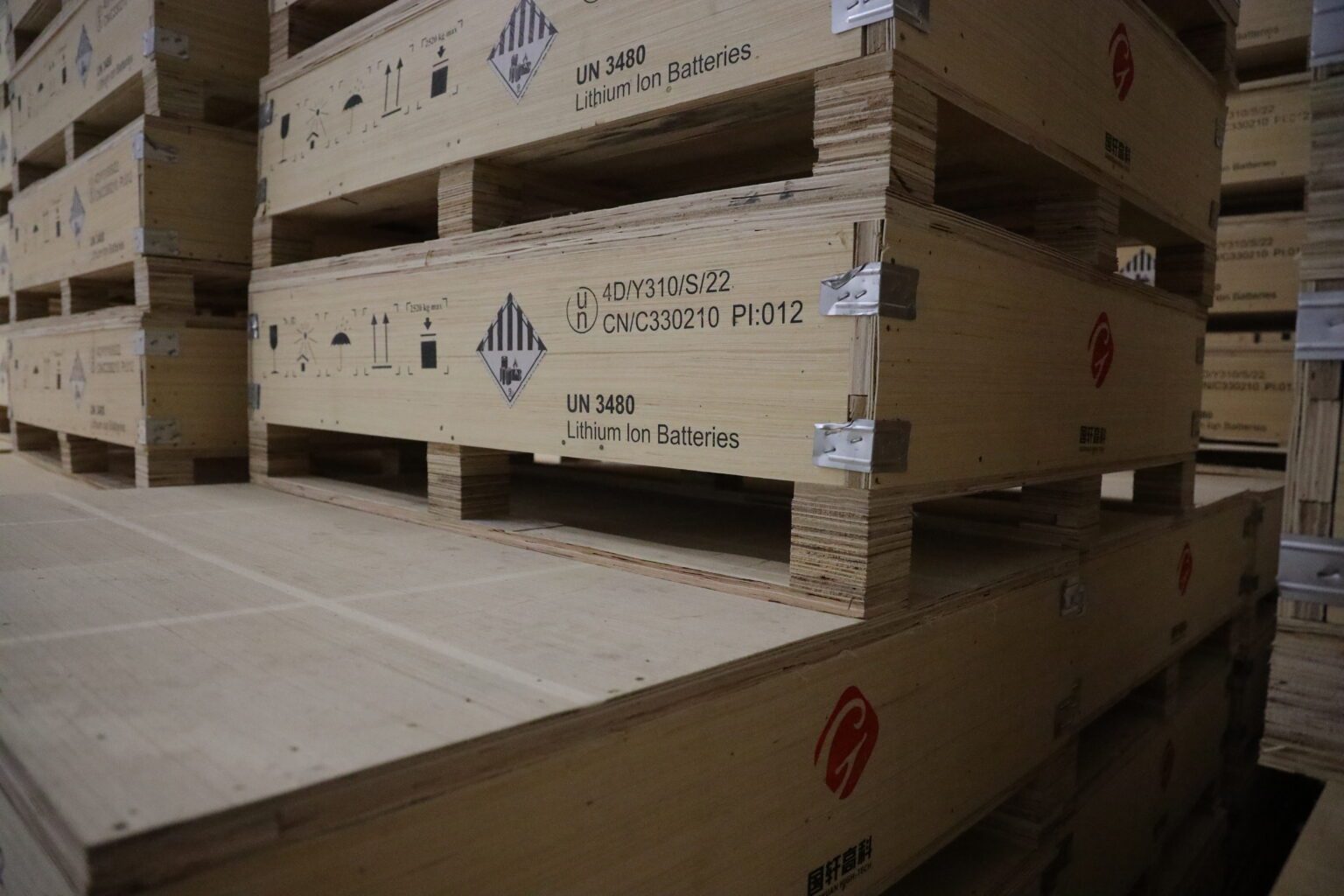
Lithium batteries bring their own handling and storage demands. We warehouse them under conditions that reflect their risks, helping you maintain control while keeping goods available for the next step.
What lithium battery warehousing involves
Lithium battery warehousing involves more than assigning a storage location and updating the inventory record. The cargo has to be stored under conditions that reflect its risk profile, handling sensitivity, and the fact that the regulatory environment around batteries continues to tighten. Good warehousing keeps the batteries available for the next step while maintaining a level of control that ordinary storage setups are often not designed to provide.
Why lithium batteries need the right storage conditions
Lithium batteries need the right storage conditions because the risk is not only tied to movement. It also exists while the goods are waiting, especially when volumes grow or battery types become more varied. The right storage approach helps reduce unnecessary exposure, supports safer daily handling, and gives customers a more credible basis for inventory they cannot simply place into a general warehouse environment without asking harder questions.
Supporting safer storage and handling
Safer lithium battery storage depends on procedures that respect both the cargo itself and the practical reality of how it moves through the site. That includes how goods are received, where they are held, how access is managed, and how the warehouse operation supports the next shipment or release. The goal is not to dramatize the cargo. It is to treat it with the level of control that its risk profile reasonably calls for.
Keeping batteries available for the next step
Batteries still need to remain available for shipping, project use, or onward distribution. Good warehousing has to balance access with control instead of sacrificing one for the other. We support that balance by keeping inventory workable while maintaining the kind of specialist handling discipline that makes the storage model more defensible. That matters more as battery-related demands and scrutiny continue to increase across the market.
When specialist lithium storage adds value
Specialist lithium storage adds value when the customer does not want to carry the full burden of battery risk inside a general operation, when volumes are growing, or when the internal setup is no longer strong enough for what the goods require. It also matters when better handling discipline, stronger controls, and more specialized attention can reduce the uncertainty around how the batteries are being stored between movements.
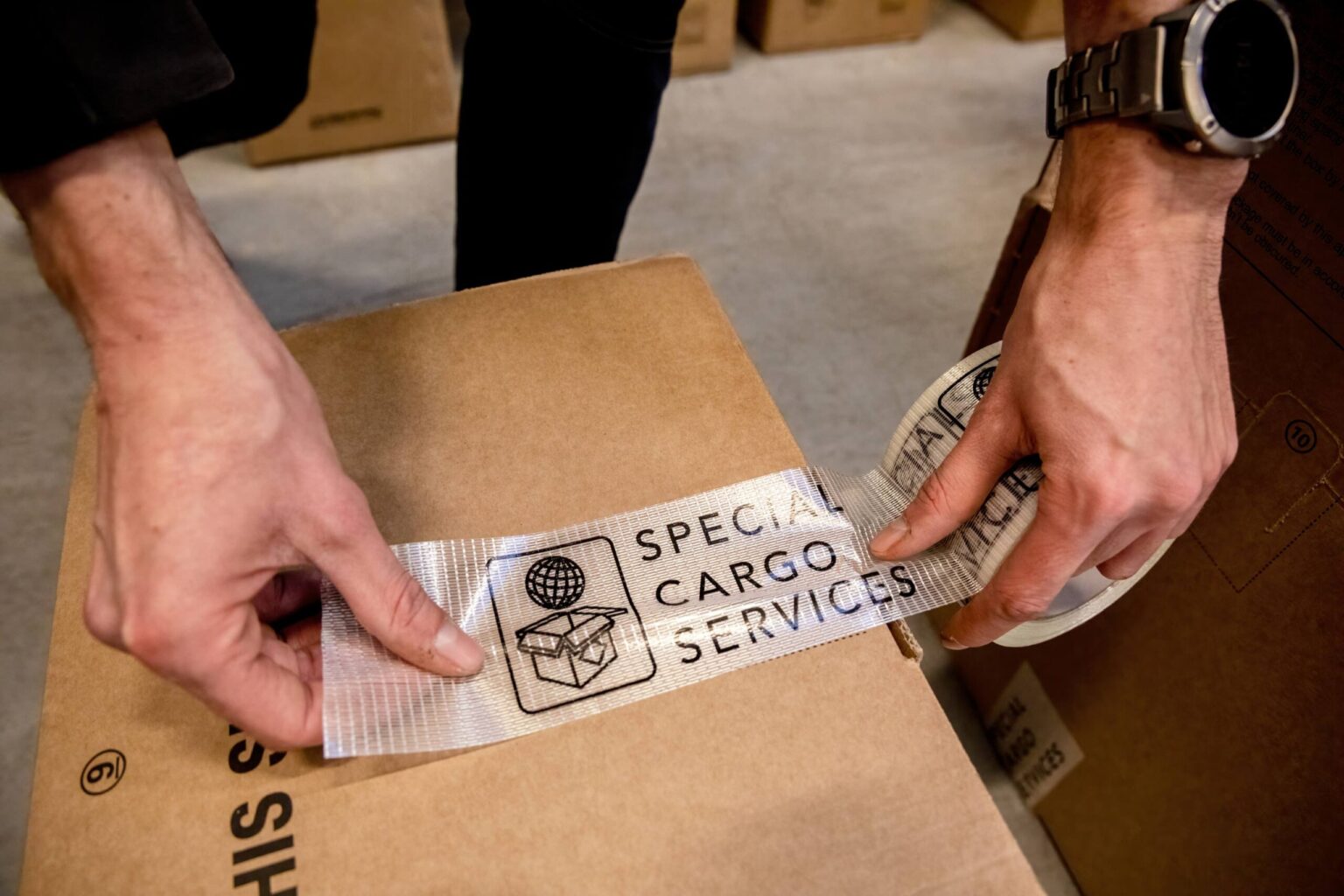
Every hazmat shipment poses unique challenges. We’re here to solve them.
From a single missing link to the entire chain: we determine what your shipment needs and handle those part of the process you’re looking to outsource. Practical, safe, and always in full compliance.
Why Special Cargo?
Special Cargo sees lithium batteries as a serious and growing area of specialist hazmat work. Our Houston team understands that battery storage and handling are becoming more demanding, not less, and that customers increasingly need a partner who can approach the subject with practical control rather than broad reassurance. That makes us a stronger fit for battery flows that require more than generic warehouse space.

How we add value with lithium warehousing
Battery-specific storage logic: Lithium goods are warehoused with their particular risk profile in mind.
Stronger handling discipline: Daily warehouse activity is structured around tighter battery control.
Better inventory defensibility: Customers gain a more credible basis for storing regulated battery stock.
Availability without casual storage: Goods stay accessible without being treated like ordinary inventory.
Aligned with a growing market: The service fits a battery sector that is becoming more demanding over time.