





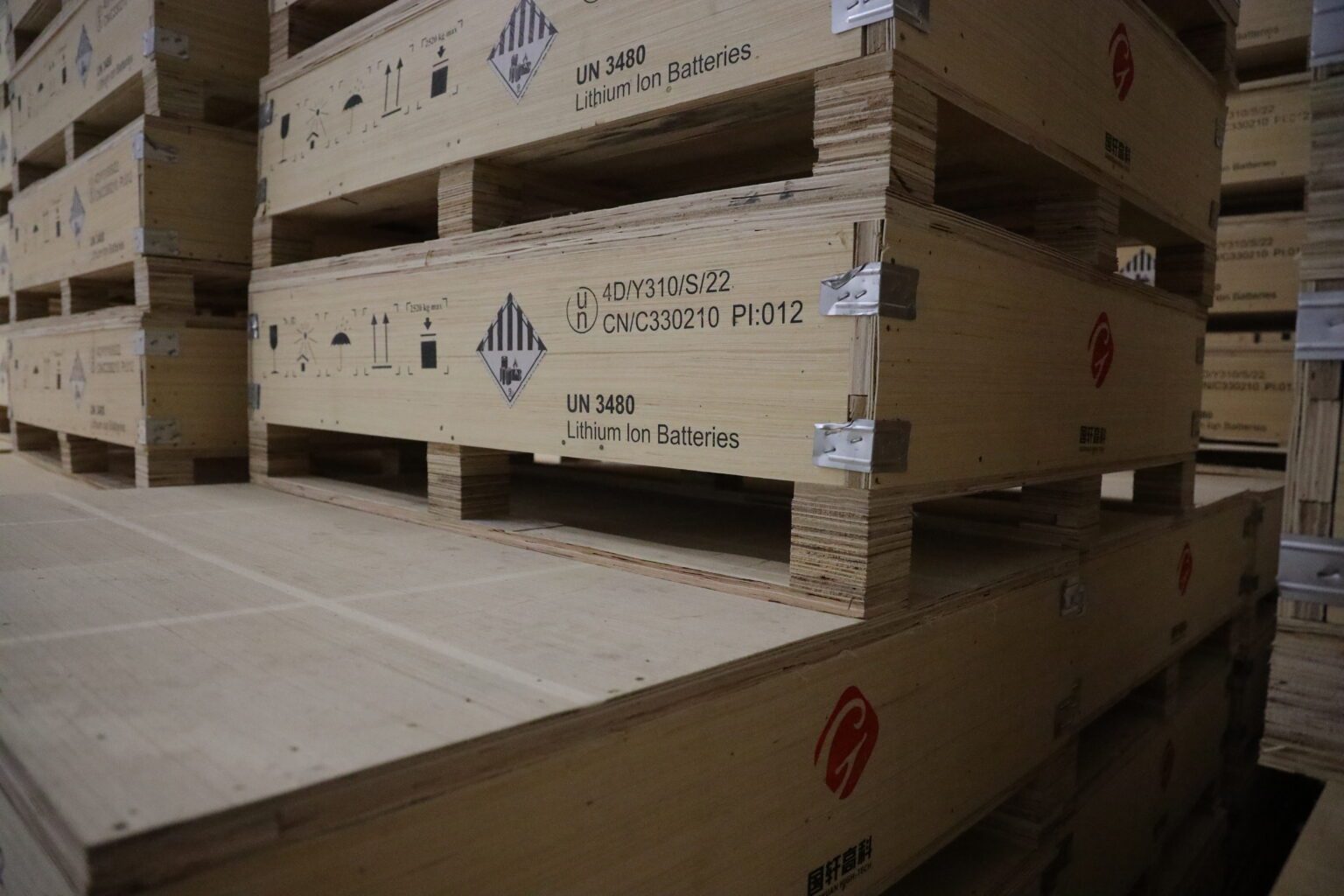
Lithium
Lithium batteries bring their own handling and storage demands. We warehouse them under conditions that reflect their DG risks, helping you maintain control while keeping goods available for the next step.
What lithium battery warehousing involves
Lithium battery warehousing involves storing batteries under conditions that reflect their specific handling and risk profile rather than treating them as ordinary packaged stock. These goods may look straightforward at a glance, but they still call for a storage environment that takes their characteristics seriously. The warehouse setup, the daily handling logic, and the level of control around the goods all need to fit the reality of lithium in storage.
Why lithium batteries need the right storage conditions
Lithium batteries need the right storage conditions because the consequences of weak handling or weak storage discipline can be disproportionate to how routine the goods may appear. A battery may arrive as a normal unit of stock, but that does not mean it should be managed like general cargo. The storage environment needs to reflect the fact that these goods bring their own risks and therefore deserve a more deliberate approach in the warehouse.
Supporting safer storage and handling
Safer storage depends on more than where the batteries are placed. It also depends on how they are kept accessible, how they are handled, and how the warehouse supports control around them in daily practice. We store lithium batteries in a way that supports those needs, so the goods remain workable for future movement without drifting into a generic handling model that is less suited to their actual risk profile.
Keeping batteries available for the next step
Storage is not only about keeping the batteries in place. It is also about keeping them available for what comes next. That may be onward shipment, customer release, or integration into a wider supply flow. We support that continuity by warehousing lithium batteries in a way that preserves access and operational readiness. The result is a storage setup that protects the goods while still keeping the later shipment process practical.
When specialist lithium storage adds value
Specialist lithium storage adds value when the batteries need more than a generic warehouse slot and the customer wants confidence that the goods are being kept under conditions suited to what they are. That is especially useful when volumes rise, timing becomes less predictable, or the next step in the chain still depends on maintaining proper control in storage. In those cases, specialist warehousing reduces risk and improves continuity at the same time.
Every DG shipment poses unique challenges. We’re here to solve them.
From a single missing link to the entire chain: we determine what your shipment needs and handle those part of the process you’re looking to outsource. Practical, safe, and always in full compliance.
Why Special Cargo?
We warehouse lithium batteries as dangerous goods, not as a routine commodity that only becomes “special” once transport starts again. That DG-first mindset makes a difference in storage just as much as it does in shipment preparation. Because we understand the practical demands of regulated cargo, we can store lithium batteries under conditions that support both safer daily control and stronger readiness for the next move.
How we add value with lithium warehousing
Risk-aware storage: lithium batteries are housed under conditions suited to their specific profile.
Stronger daily control: handling and access remain aligned with the nature of the goods.
Better future readiness: batteries stay available for later shipment or release without losing control.
Less generic handling: storage reflects regulated cargo realities rather than ordinary stock logic.
DG-first approach: lithium is treated as specialist cargo throughout the warehousing period.