





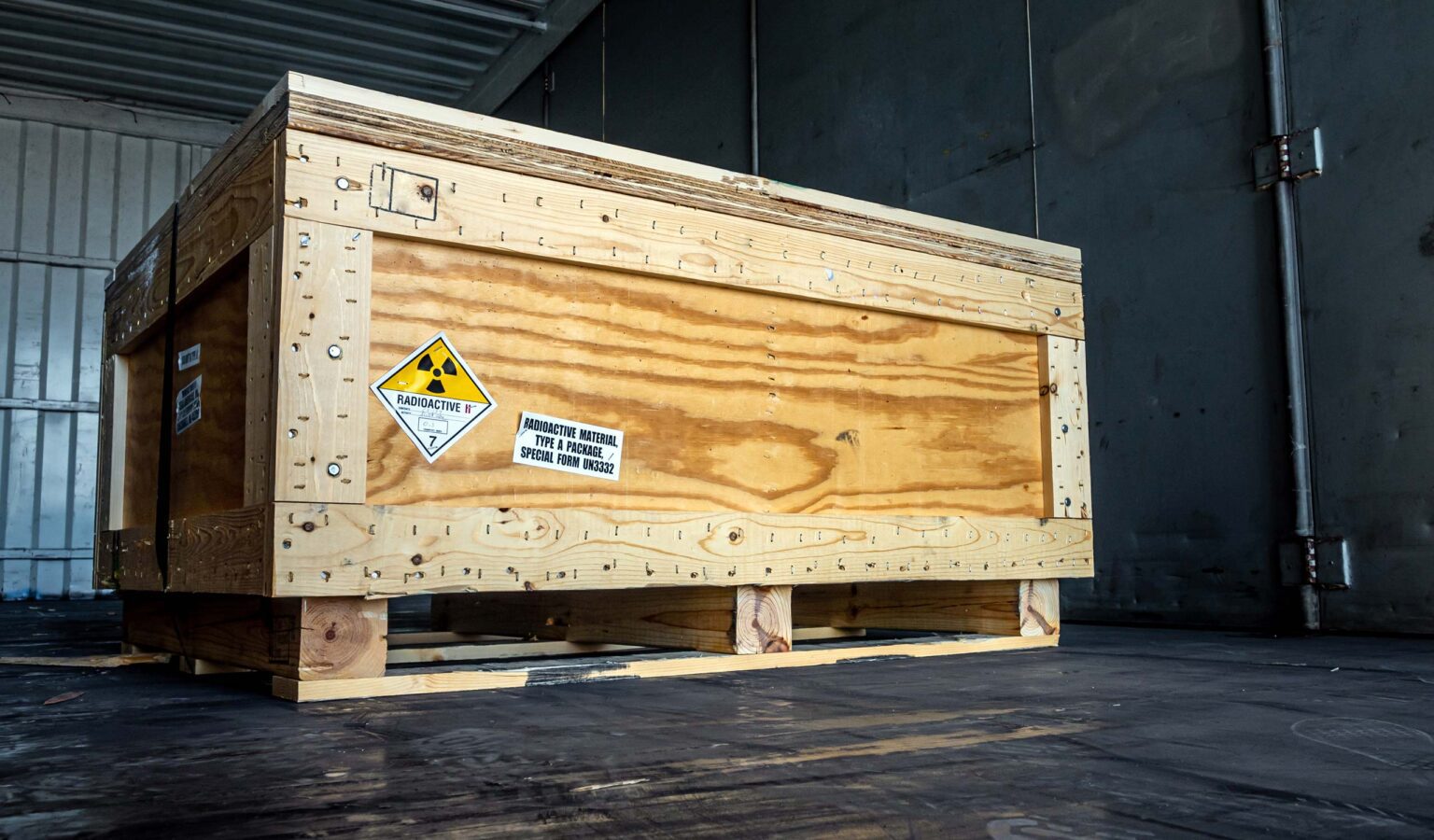
Radioactive
Radioactive materials call for specialist handling, measured judgment, and the right storage setup. We support both temporary and longer-term warehousing for DG sources and other radioactive goods.
What radioactive warehousing involves
Radioactive warehousing involves storing sources and other radioactive goods in a setup that reflects the nature of the material, the handling requirements around it, and the difference between short-term and longer-term needs. The storage question is not only where the goods can be kept, but under what conditions and for how long. Radioactive materials require measured judgment, not generic storage routines applied with a new label on them.
Temporary storage versus longer-term storage
Temporary storage often arises in connection with transport. A shipment may need to wait overnight, bridge a delay, or remain in controlled custody until the next leg can proceed. Longer-term storage is different. That usually applies to sources that remain useful over extended periods and need a stable place to stay between projects or deployments. Both situations matter, but they call for different operating logic and different warehouse roles.
Why radioactive goods need a specialist setup
Radioactive goods need a specialist setup because the operational, legal, and safety considerations around them are more specific than those around most other dangerous goods. The material itself, its activity level, the handling method, and the storage duration all affect what the right approach looks like. That is why radioactive warehousing should not be treated as a simple extension of standard DG storage. The cargo needs a setup built for it.
Supporting control, access, and onward handling
Storage is only useful if it supports what comes next. Radioactive materials may need to remain accessible for later deployment, shipment back to a factory, maintenance, or reuse in measurement and field applications. We support that continuity so the warehouse is not just a holding point, but part of a controlled chain. Access, oversight, and onward handling all have to work together if the storage solution is going to stay practical over time.
When radioactive warehousing adds value
Radioactive warehousing adds value when customers need a specialist place to keep sources or other radioactive goods between transport legs, between projects, or during longer operational gaps. It also matters when short-term storage is needed to bridge the space between receipt and handover without breaking control. In both cases, the value lies in having a setup that treats the material as what it is instead of forcing it into a generic storage model.
Every DG shipment poses unique challenges. We’re here to solve them.
From a single missing link to the entire chain: we determine what your shipment needs and handle those part of the process you’re looking to outsource. Practical, safe, and always in full compliance.
Why Special Cargo?
We support radioactive warehousing with a clear distinction between temporary transport-related storage and longer-term storage for sources that need to remain available over time. That practical understanding matters because not every radioactive shipment has the same profile or the same storage need. Our specialist DG focus and operational experience help customers find the right storage route without losing control of handling, timing, or onward movement in the process.
How we add value with radioactive material warehousing
Storage by need: we distinguish clearly between short-term bridging and longer-term source storage.
Specialist setup: radioactive goods are stored in a model that fits the material more closely.
Better continuity: storage supports later transport, access, maintenance, or redeployment.
Measured control: handling decisions reflect the nature of radioactive cargo, not generic assumptions.
Practical fit: customers get a storage route that matches how these goods are actually used over time.