



Cross-docking
When time matters, cross-docking helps DG cargo move through the warehouse quickly and cleanly. We receive, check, and transfer shipments with minimal delay, while keeping control over safety, condition, and flow.
What cross-docking means in practice
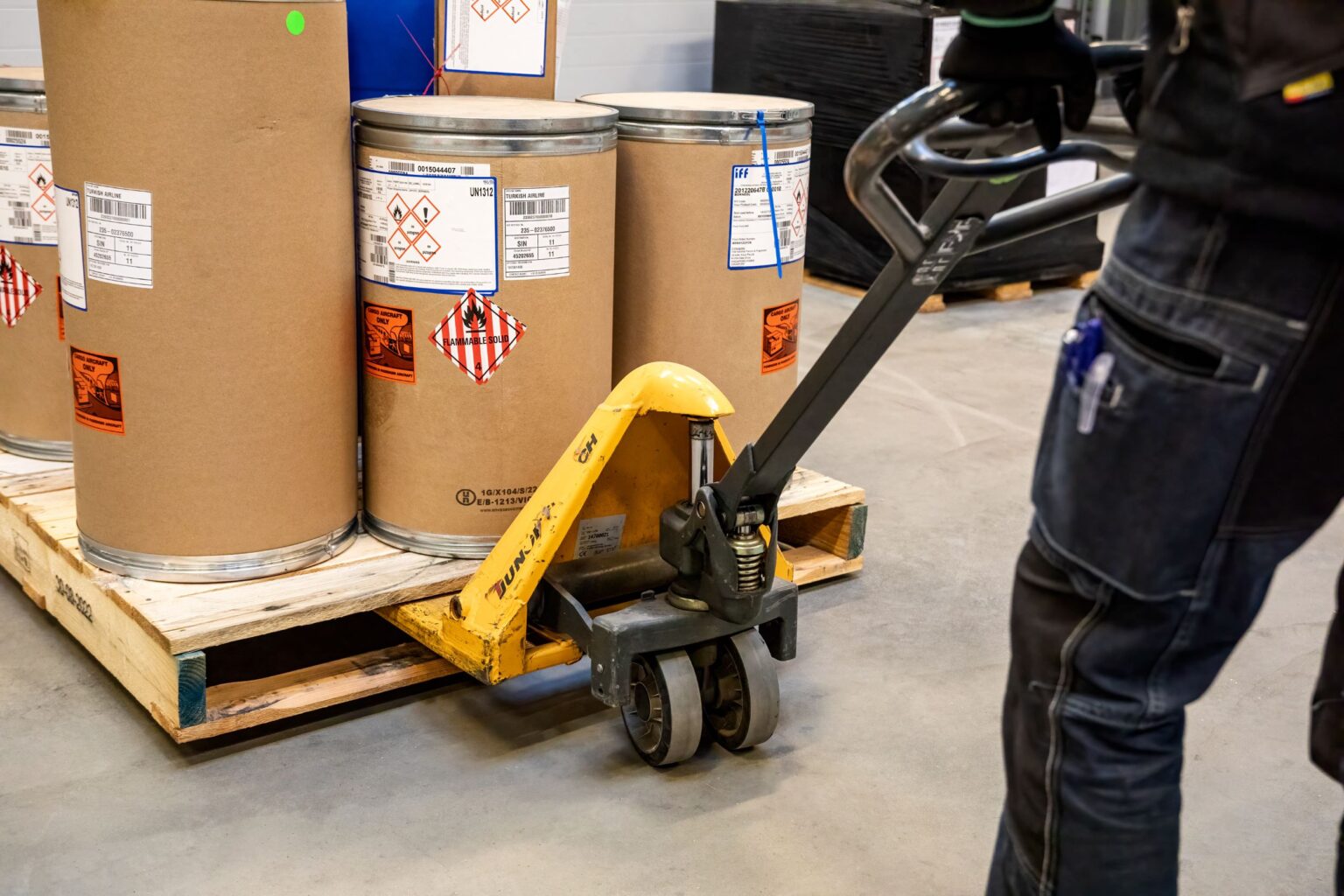
Cross-docking means cargo moves through the warehouse with little or no storage time between inbound receipt and outbound release. The focus is on transfer rather than long-term placement. In practice, that still calls for control at every step. Goods need to be received, checked, directed, and made ready for the next move without losing sight of condition, handling requirements, or the transport reality that applies to the shipment.
When cross-docking is the right fit
Cross-docking is a good fit when goods do not need to remain in storage, but do need to move cleanly from one step in the chain to the next. That may be because time matters, because the onward route is already planned, or because the customer wants to avoid unnecessary dwell time. In dangerous goods logistics, it works best when the shipment is well understood and the transfer is handled with real operational discipline.
How we keep cargo moving without losing control
Speed only works when the basics are right. We make sure incoming goods are understood before they move onward, and we keep the transfer process aligned with what the shipment actually requires. That may mean checking the condition, confirming the handling unit, or making sure the next stage is ready to receive it. The goal is not simply to move fast, but to move cleanly and without opening new risks.
What cross-docking helps prevent
A good cross-docking process helps prevent cargo from sitting still for no clear reason, but it also prevents confusion between stages. When goods are transferred without clear control, the chain becomes vulnerable to mix-ups, weak handovers, and avoidable delay once the cargo reaches the next point. Cross-docking done properly reduces those risks by keeping the shipment visible, directed, and operationally coherent throughout the transfer.
What matters in regulated cargo flows
Regulated cargo flows leave less room for casual handling than general freight. Dangerous goods may require clearer traceability, sharper attention to condition, and more awareness of what the next move demands. That means cross-docking cannot be treated as a simple pass-through. It has to support the shipment as a regulated movement, with the same practical care you would expect in preparation, release, or final handover.
Every DG shipment poses unique challenges. We’re here to solve them.
From a single missing link to the entire chain: we determine what your shipment needs and handle those part of the process you’re looking to outsource. Practical, safe, and always in full compliance.
Why Special Cargo?
We handle dangerous goods cross-docking as part of a wider DG operation, not as a generic warehouse shortcut. That matters because the value of cross-docking is lost quickly if speed comes at the expense of control. We know how to keep cargo moving while still paying attention to condition, readiness, and onward fit. That combination of pace and judgment is where specialist handling makes the difference.
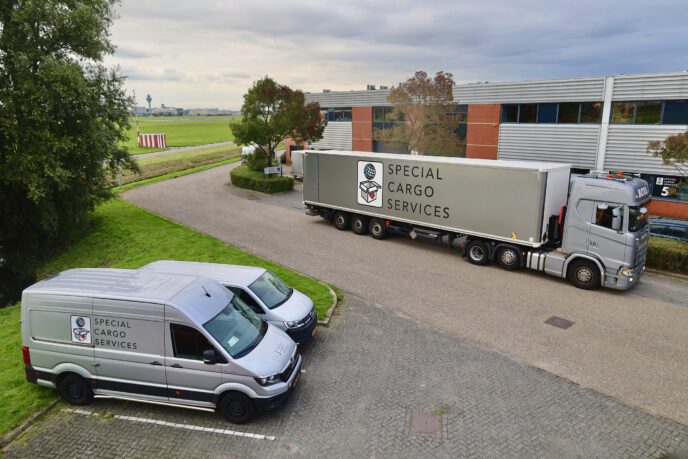
How we add value with cross-docking
Fast transfer with control: cargo moves onward quickly without turning the warehouse into a blind spot.
Better shipment awareness: transfers are handled with attention to the goods and the next step ahead.
Less unnecessary dwell time: cross-docking reduces avoidable waiting where storage is not the goal.
Clearer handovers: the outbound stage starts from a better understood inbound position.
DG-specific handling: regulated cargo gets more than generic transfer from dock to dock.