






Waste disposal
Hazardous leftovers, expired stock, and unwanted materials need the right exit route. We support safe disposal for dangerous goods, with the handling, permits, and practical control required to deal with them properly.
What dangerous goods waste disposal involves
Dangerous goods waste disposal involves more than removing unwanted material from sight. It means handling hazardous leftovers, expired stock, or unusable goods in a way that is legally correct, operationally safe, and suited to the material itself. Some waste streams arise from routine stock issues, while others come from transfer, recovery, or damaged shipments. In all cases, the disposal route needs to be managed with care from the outset.
When materials need a safe exit route
A safe exit route is needed when dangerous goods can no longer remain in stock, cannot be used for their original purpose, or have become waste through damage, age, or operational change. That may involve a single canister, residual material from a transfer process, or a larger quantity of product that has reached the end of its practical life. Once a material becomes waste, it still needs professional handling, not less of it.
Handling leftovers, expired stock, and unwanted goods
We support disposal for a wide range of situations, from small residues left after decanting to larger volumes of stock that a customer no longer wants to keep. The common factor is that the goods still require controlled handling because they remain dangerous even when they are no longer commercially useful. Disposal therefore needs to be part of a managed process, not an improvised attempt to get the material off-site quickly.
Why disposal needs the right permits and process
Dangerous goods waste disposal depends on the right permits and the right process because the material is no less regulated simply because it is being discarded. The disposal path has to be legally supported and practically suited to the substance involved. That is one of the reasons customers turn to a specialist. The issue is not just that the goods are unwanted. It is that they still need to leave safely and correctly.
When disposal support is the practical next step
Disposal support is often the practical next step when recovery, storage, or further use no longer make sense. A shipment may be expired, damaged beyond recovery, or left with residual material that the customer cannot keep. At that point, disposal closes the loop in a controlled way. It gives the customer a route out of the problem while keeping legal compliance and practical safety in view throughout the final stage.
Every DG shipment poses unique challenges. We’re here to solve them.
From a single missing link to the entire chain: we determine what your shipment needs and handle those part of the process you’re looking to outsource. Practical, safe, and always in full compliance.
Why Special Cargo?
Waste disposal fits naturally into the wider DG service chain we already support. We can help where dangerous goods become waste through transfer, damage, expiry, or stock management and need a proper final route. Because we hold the right permit and handle regulated materials as a matter of course, disposal becomes part of a controlled process instead of an awkward loose end customers are left to solve on their own.
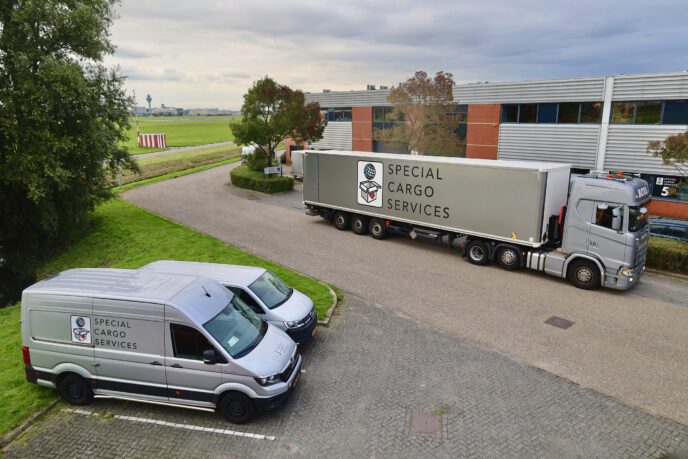
How we add value with DG waste disposal
Permit-backed handling: disposal is supported by the legal recognition this type of work requires.
Controlled final route: dangerous goods leave the process safely instead of becoming an unmanaged problem.
Useful in recovery cases: disposal can follow naturally from damage, salvage, or transfer work.
Flexible scope: support ranges from small leftovers to larger quantities of expired or unwanted stock.
Practical closure: customers get a clear exit path for materials they cannot keep or use.