






CMR
The CMR waybill supports the road leg of a shipment and the handover around it. We prepare it as part of a clearer, more complete document set for regulated DG cargo moving by road between parties.
What a CMR waybill does
A CMR waybill documents the road movement between parties and helps define the shipment handover around that leg of transport. In dangerous goods logistics, it supports the practical movement of cargo from one point in the chain to another while sitting alongside the other documents the shipment may also require. The CMR is therefore not the whole document story, but it is an important part of how the road movement is recorded and handed over.
How CMR fits into road transport flows
CMR fits into road transport flows as part of the broader document set around collection, transfer, delivery, and multimodal handover. The road leg may connect a customer site to our warehouse, our site to an airport, or one controlled point to another. In each case, the CMR helps support the movement itself and the parties around it. Its usefulness grows when it is handled as part of the shipment flow rather than in isolation.
What the CMR needs to match
The CMR needs to match the road movement it is supporting, including the parties, the cargo context, and the handover logic around the shipment. A CMR that drifts too far from the practical move may still exist on paper, but it adds less value to the operation. That is why it works best when it is prepared close to the actual shipment process, where the document can still reflect what is really happening on the road.
Why a complete document set matters
A complete document set matters because the CMR usually does not stand alone in dangerous goods logistics. It sits beside ADR documents, DG-specific documents, and any other papers needed for the movement and the next stage beyond it. The value lies in how these documents work together. If the set is incomplete or inconsistent, the road leg becomes harder to support cleanly, even when the CMR itself has been prepared.
When CMR support adds clarity
CMR support adds clarity when the road movement needs to be documented as part of a broader dangerous goods flow and the customer wants that handover handled properly rather than pieced together later. That is especially useful in connected chains where the road leg links several other services. A cleaner CMR helps keep that link more visible, so the movement between parties does not become the point where shipment clarity starts to weaken.
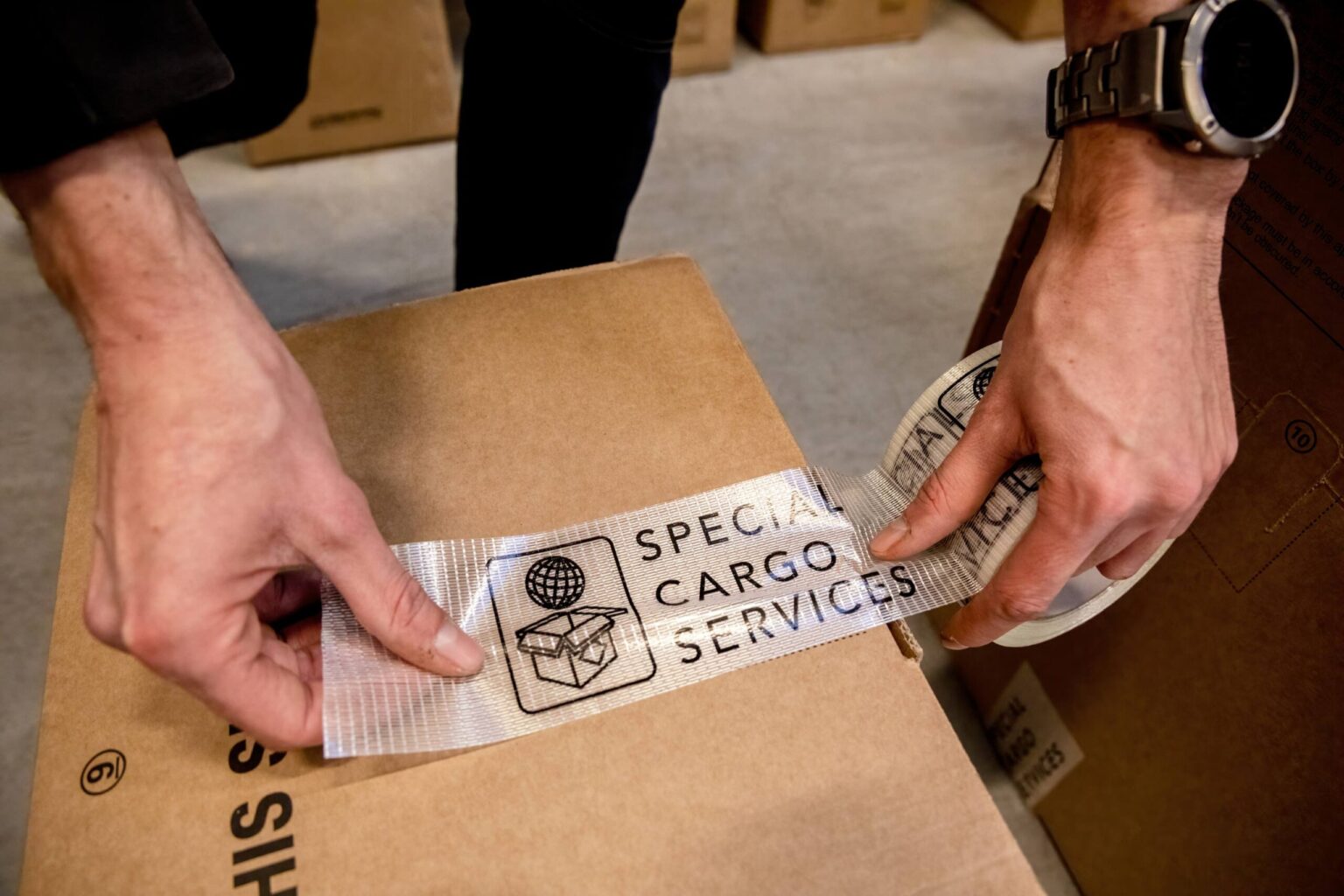
Every DG shipment poses unique challenges. We’re here to solve them.
From a single missing link to the entire chain: we determine what your shipment needs and handle those part of the process you’re looking to outsource. Practical, safe, and always in full compliance.
Why Special Cargo?
We support CMR preparation within the wider DG shipment file rather than treating it as a detached road document. That makes the CMR more useful because it reflects the real movement and its place in the chain. Our practical DG perspective helps keep the road waybill aligned with the rest of the shipment process, which in turn supports clearer handovers and a more coherent document set around the movement as a whole.
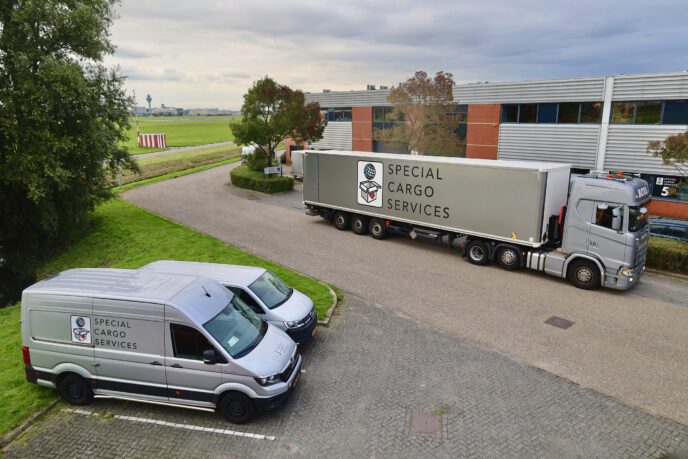
How we add value with CMRs
Road handover clarity: the CMR supports a clearer transfer between parties in the road leg.
Document-set awareness: the waybill is prepared as part of the wider DG file, not on its own.
Better movement fit: the CMR reflects the real road flow and cargo context more closely.
Cleaner chain link: road documentation connects better to the services before and after it.
Practical shipment support: the document is handled in step with the operation behind it.