





DGD
A DGD isn’t just another form in the document set. We prepare dangerous goods declarations with the care, recognition, and shipment-specific detail needed to support compliant air transport.
What a DGD is used for
A DGD, or dangerous goods declaration, is used to support the compliant carriage of dangerous goods by air. It communicates essential shipment details in a form that must be accurate, mode-specific, and fit for acceptance in the air cargo chain. This is not a generic shipping document. It is a specialist declaration that sits close to the core of air freight compliance and has to reflect the shipment exactly as it will move.
Why a DGD needs shipment-specific accuracy
A DGD cannot be drafted properly from general assumptions or copied from a similar shipment without close review. It needs to reflect the actual goods, the packaging, the quantities, and the air transport conditions that apply to that exact move. Even small inconsistencies can create delay or rejection later in the process. Accuracy matters because the declaration is only useful when it describes the real shipment in front of it.
What goes into a compliant declaration
A compliant declaration depends on more than filling in the right fields. It starts with understanding the shipment itself, including how it has been packed, what it contains, and how it has been prepared for air carriage. The DGD has to align with those realities, not just with a template. That is why preparation and document work are so closely linked in air freight. Weak shipment understanding usually leads to weak declarations.
Why recognition and responsibility matter
Recognition and responsibility matter because a DGD is not something just anyone should draft and sign on a whim. In the Netherlands and the rest of Europe, the right legal recognition is part of what gives the declaration standing. We hold the recognition that allows us to take on that responsibility properly. That matters for customers because it turns the DGD into a legally and operationally supported part of the shipment rather than a risky guess.
When DGD support reduces delay
DGD support reduces delay whenever the customer needs the declaration prepared correctly, on time, and with enough understanding of the actual shipment to avoid late-stage surprises. That is especially important in air freight, where the margin for administrative weakness is small and where a document issue can block a move that is otherwise urgent. A strong DGD helps keep the air cargo process cleaner from the moment of handover.
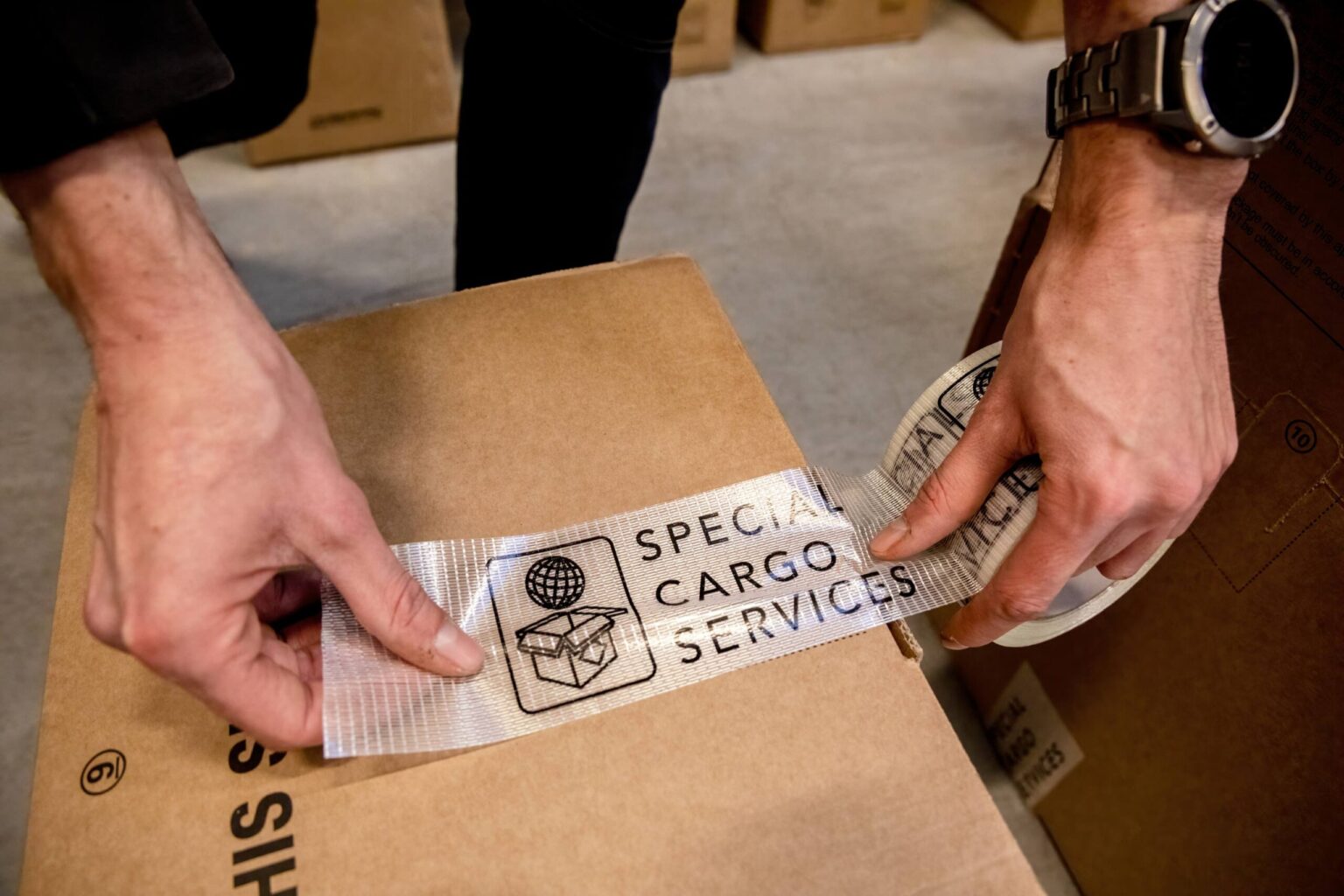
Every DG shipment poses unique challenges. We’re here to solve them.
From a single missing link to the entire chain: we determine what your shipment needs and handle those part of the process you’re looking to outsource. Practical, safe, and always in full compliance.
Why Special Cargo?
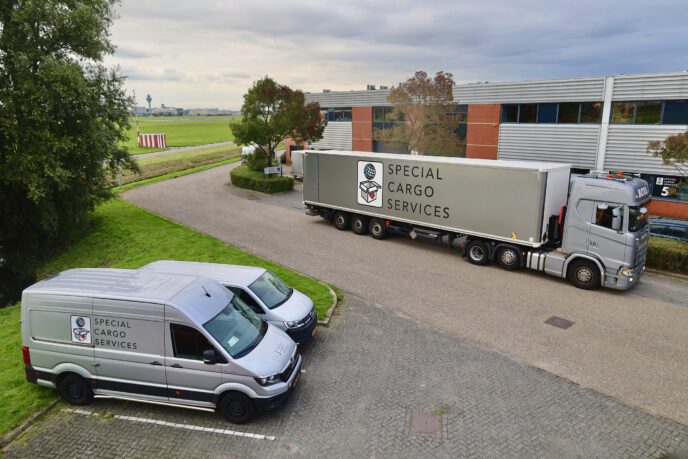
We prepare DGDs as part of a practical dangerous goods operation, not as document processors working at a distance from the cargo. That means the declaration is grounded in real shipment knowledge, supported by the right recognition, and tied to the handling and packing work behind it. Because air freight is unforgiving of weak paperwork, that close link between cargo reality and document quality makes a real difference for our customers.
How we add value with DGDs
Shipment-specific drafting: the declaration is built around the actual cargo, not a generic precedent.
Recognition in place: we hold the legal standing needed to take responsibility for this work.
Closer cargo link: DGD preparation is tied to real handling and packing knowledge.
Air-freight readiness: the document supports a cleaner handover into the air cargo chain.
Less avoidable delay: stronger declarations help reduce rejection and late-stage document problems.