





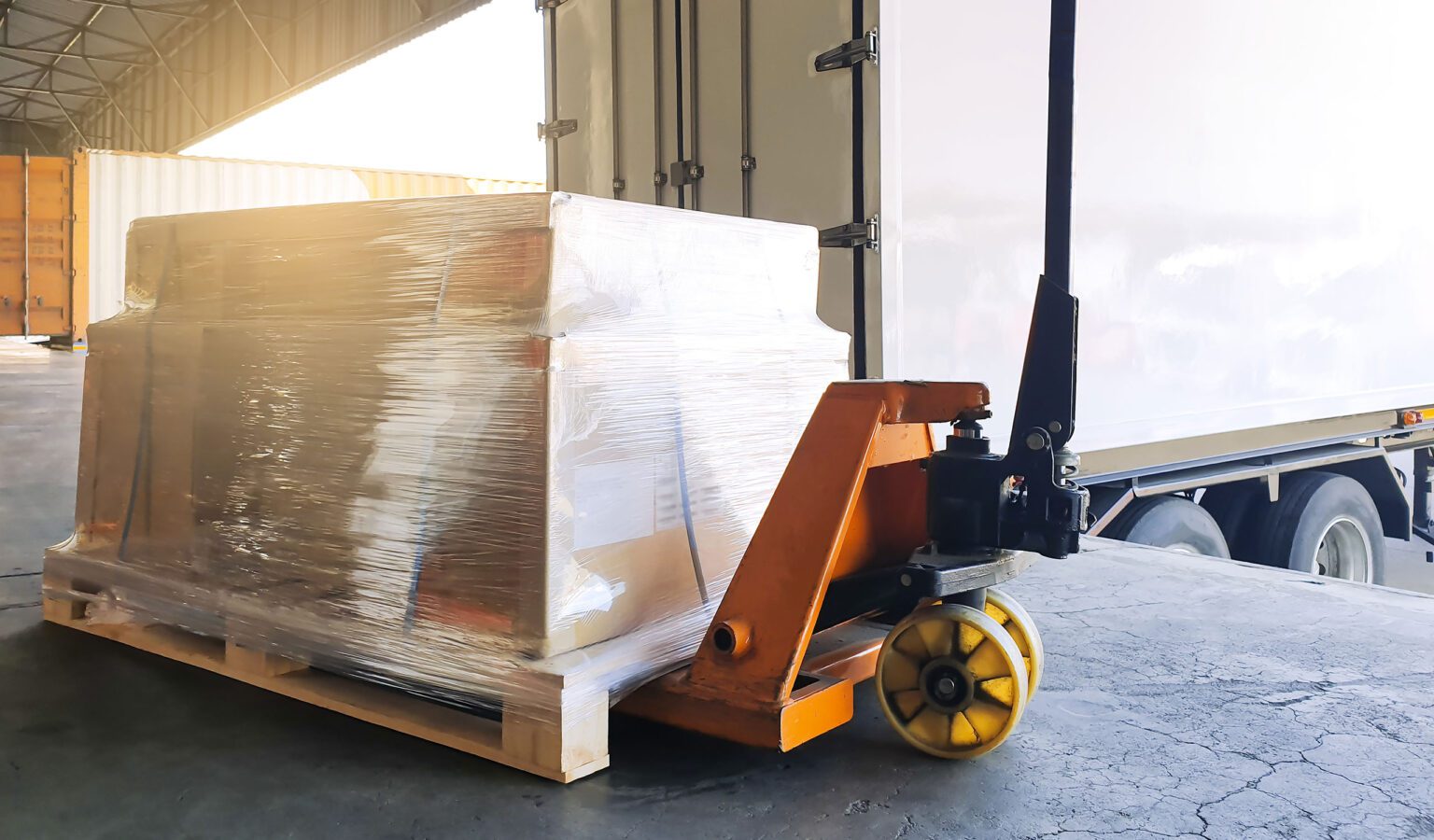
Re-racking
Re-racking helps keep warehousing safe, practical, and efficient as hazmat cargo flows change. We reorganize stored hazardous goods carefully to improve access, support handling, and maintain better control over storage positions.
What re-racking is used for
Re-racking is used to reorganize stored cargo so the warehouse remains workable as inventory patterns, access needs, or shipment activity change over time. In hazmat environments, that means improving storage layout without losing control around what the goods are and how they need to be handled. The purpose is practical: better positioning, clearer access, and a more manageable warehouse flow for cargo that cannot simply be shifted around casually.
Why storage layout affects handling
Storage layout affects handling because it influences how easily goods can be accessed, moved, checked, and prepared for release. A poor layout creates friction long before any shipment leaves the building. It slows down the warehouse, increases unnecessary movement, and can make routine handling harder than it needs to be. With regulated cargo, that kind of inefficiency matters more because every extra movement should have a reason and should still happen under control.
How we reorganize cargo safely
We reorganize cargo safely by approaching re-racking as controlled warehouse handling, not as a casual housekeeping task. The goods are moved with awareness of their condition, their storage role, and the practical impact of where they are being repositioned. The result is a layout that works better for ongoing operations while still respecting the reality that hazardous materials do not benefit from unnecessary or poorly planned internal movement.
When re-racking improves warehouse flow
Re-racking improves warehouse flow when stock positions no longer match how the cargo is actually being used, released, or handled. That may happen as customer demand changes, new shipment patterns emerge, or existing storage logic becomes less efficient than it once was. In those situations, better positioning helps reduce warehouse friction and supports a cleaner path between storage, picking, preparation, and release.
What careful re-racking helps prevent
Careful re-racking helps prevent warehouse congestion, unnecessary handling, poor access, and the sort of internal inefficiency that makes every next step slower than it should be. It also reduces the chance that cargo will be moved reactively and without enough planning simply because the original layout stopped serving the operation well. A better layout creates a stronger basis for everyday control, not just a neater warehouse on paper.
Every hazmat shipment poses unique challenges. We’re here to solve them.
From a single missing link to the entire chain: we determine what your shipment needs and handle those part of the process you’re looking to outsource. Practical, safe, and always in full compliance.
Why Special Cargo?
Special Cargo handles re-racking with the same respect for regulated cargo that shapes the rest of our warehouse work. We understand that improving layout is useful only if the movement itself stays controlled and the result genuinely supports daily handling better than before. That helps customers gain a more workable warehouse setup without introducing unnecessary disruption around goods that already require a more careful operating environment.
How we add value with re-racking
Better warehouse access: Goods are repositioned to support more practical handling and release.
Improved flow through storage: Layout changes help reduce internal friction around regulated cargo.
Controlled internal movement: Re-racking is handled with the same care as other hazmat warehouse work.
Less reactive reshuffling: The warehouse is organized deliberately instead of through repeated workaround moves.
Stronger daily usability: A better storage layout supports cleaner routine operations over time.