





Re-racking
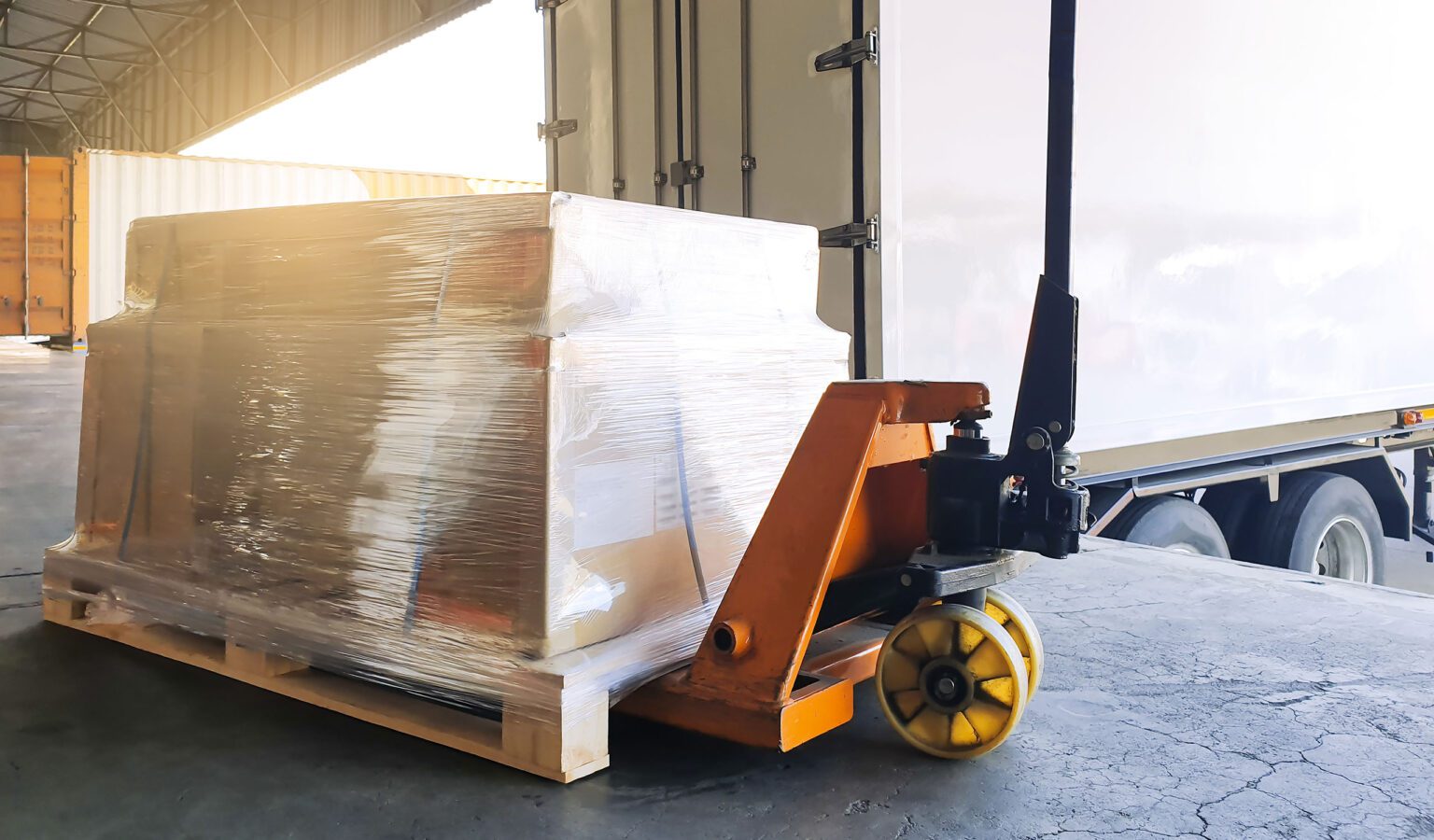
Re-racking helps keep DG warehousing safe, practical, and efficient as cargo flows change. We reorganize stored goods carefully to improve access, support handling, and maintain better control over storage positions.
What re-racking is used for
Re-racking is used to reorganize stored cargo so the warehouse remains workable as stock positions, access needs, and handling priorities change over time. Dangerous goods do not remain operationally convenient just because they were placed somewhere once. As the flow changes, storage positions may need to change with it. Re-racking helps keep the warehouse practical, accessible, and better aligned with the way the goods now need to be handled.
Why storage layout affects handling
Storage layout affects handling because it shapes how easily goods can be reached, assessed, moved, and prepared for the next step. A poor layout creates extra movement, slower access, and more opportunities for confusion once the warehouse has to respond to changing priorities. A clearer layout supports cleaner handling. In a DG environment, that matters even more because unnecessary movement and weak accessibility are not just inefficient. They can also increase operational risk.
How we reorganize cargo safely
We reorganize cargo with attention to the goods, the available space, and the practical reason for changing the layout in the first place. The point is not simply to shift stock around until it fits somewhere else. It is to create a better arrangement for access, control, and onward handling without undermining the stability or clarity of the warehouse. Re-racking needs to improve the operation, not just reshuffle it.
When re-racking improves warehouse flow
Re-racking improves warehouse flow when the original arrangement no longer supports the way the goods need to move through the site. That may be because access has become difficult, handling priorities have changed, or the existing layout is making ordinary warehouse tasks harder than they need to be. In those cases, reorganizing the positions can restore smoother flow and give the operation back some of the control it had started to lose.
What careful re-racking helps prevent
Careful re-racking helps prevent bottlenecks, awkward access, repeated disturbance of the wrong goods, and the gradual warehouse disorder that tends to build when storage positions stop matching operational reality. It also helps reduce unnecessary handling, which is valuable in any warehouse and especially so where dangerous goods are concerned. A better layout usually means fewer avoidable touches, clearer visibility, and a more stable basis for everything that follows.
Every DG shipment poses unique challenges. We’re here to solve them.
From a single missing link to the entire chain: we determine what your shipment needs and handle those part of the process you’re looking to outsource. Practical, safe, and always in full compliance.
Why Special Cargo?
We treat re-racking as part of maintaining a workable DG warehouse, not as an isolated tidying exercise. Because we understand how storage layout affects handling, access, and onward preparation, we reorganize cargo with the wider operation in mind. That helps ensure the result is not just neater on the shelf, but genuinely better suited to the way dangerous goods need to move through the warehouse in daily practice.
How we add value with re-racking
Better access: storage positions are improved to support safer and cleaner handling.
Stronger warehouse flow: reorganized cargo helps reduce friction in daily operations.
Less unnecessary movement: a better layout helps avoid repeated disturbance of the wrong goods.
More practical control: storage is aligned more closely with current operational reality.
DG-aware reorganization: dangerous goods are repositioned with handling risk and access needs in view.