





Short-term
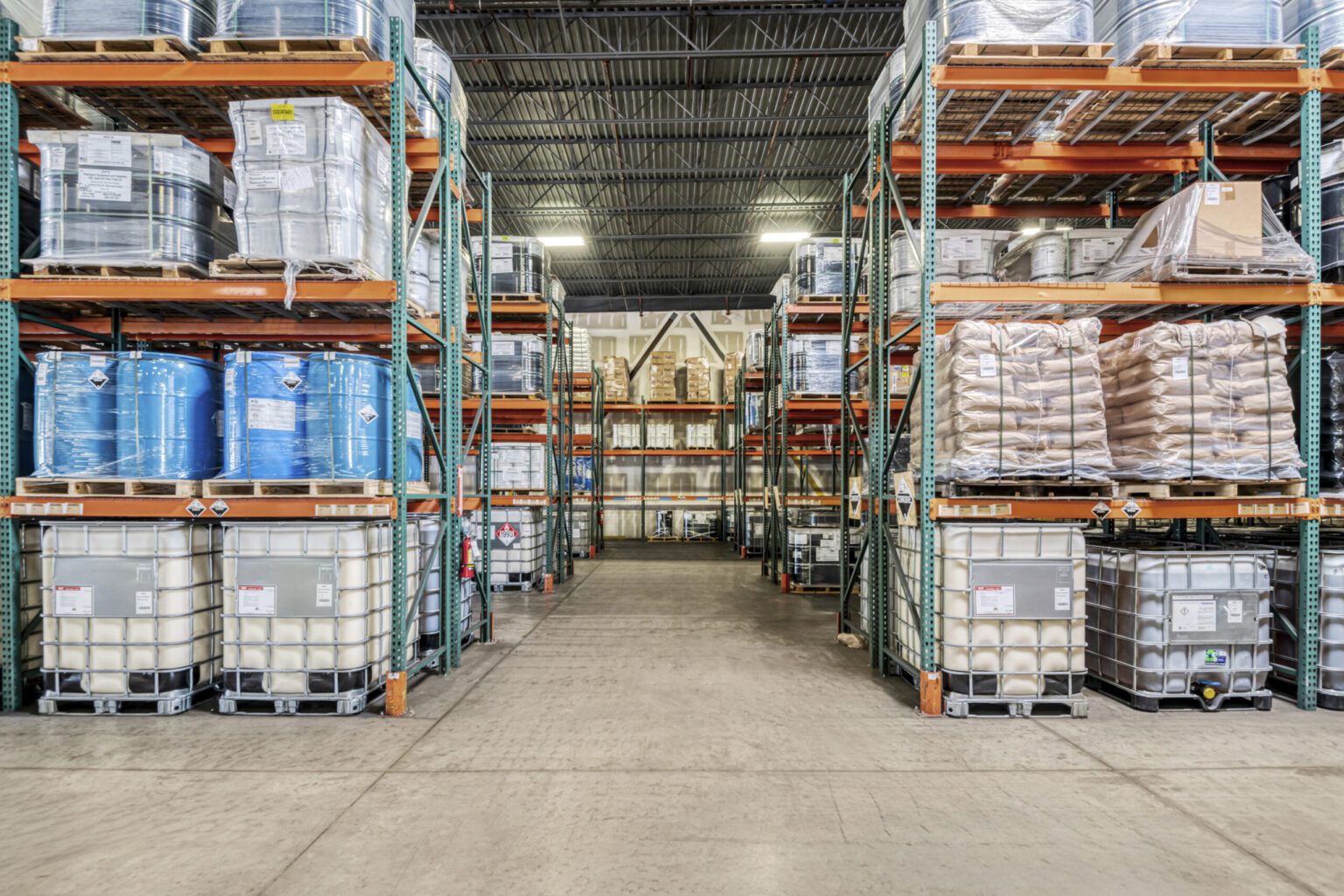
Short-term storage helps bridge the gap between receipt, preparation, and departure. We keep hazmat cargo under control while it waits, whether for inspection, documentation, cross-docking, or onward dispatch into the next step of the shipment.
What short-term storage is used for
Short-term storage is used to hold hazmat cargo between receipt and the next meaningful step in the process, whether that is inspection, repacking, documentation, cross-docking, or final release. The warehouse stay may be brief, but the cargo still needs the right conditions and a controlled handling environment while it waits. Short-term storage therefore is not just about time. It is about keeping the shipment workable during a temporary but still important part of the chain.
Bridging the gap between receipt and departure
Bridging the gap between receipt and departure means giving the shipment a place to sit under control while the next stage is prepared properly. That gap may be short, but it can still be where important issues are identified or resolved. Good short-term storage helps turn that waiting period into a usable part of the shipment process rather than dead time in which regulated cargo is simply parked and hoped for the best.
Keeping cargo under control while it waits
Keeping cargo under control while it waits means more than making sure it stays inside the building. It means supporting a warehouse environment where the goods remain identifiable, accessible, and held under conditions suited to what they are. That becomes especially important when the cargo is waiting on another preparation step rather than simply sitting idle. Control during that period helps protect both the shipment and the decisions still being made around it.
Why short-term storage still needs the right conditions
Short-term storage still needs the right conditions because regulated cargo does not become less sensitive just because it will move again soon. The waiting period may be temporary, but the consequences of weak control during that period are still real. If the goods are held casually, the next stage inherits that weakness. Proper short-term warehousing supports a cleaner handoff into the next step by keeping the shipment stable while it is between actions.
When temporary storage adds value
Temporary storage adds value when the shipment needs a controlled pause rather than immediate onward movement. That may happen because another service step still needs to occur, because the next release point is not ready yet, or because preserving order around the cargo is more useful than rushing it onward under weaker conditions. In those situations, short-term storage gives the shipment time without letting it lose structure.
Every hazmat shipment poses unique challenges. We’re here to solve them.
From a single missing link to the entire chain: we determine what your shipment needs and handle those part of the process you’re looking to outsource. Practical, safe, and always in full compliance.
Why Special Cargo?
Special Cargo treats short-term storage as part of the active shipment process rather than as overflow space with a shorter billing cycle. Our team understands how much can still happen around a regulated shipment while it is waiting for the next step. That helps us approach temporary warehousing with stronger control, better visibility, and a clearer sense of how the storage period supports the shipment rather than interrupting it.

How we add value with short-term warehousing
Controlled pause between stages: Cargo waits under better structure while the next step is prepared.
Useful for active shipment prep: Storage supports inspection, repacking, documents, or cross-docking.
Less casual holding risk: Temporary warehousing still reflects the demands of regulated cargo.
Better readiness for the next move: Goods remain identifiable and workable while they wait.
More value from warehouse time: The pause becomes part of the process instead of dead time.