





Short-term
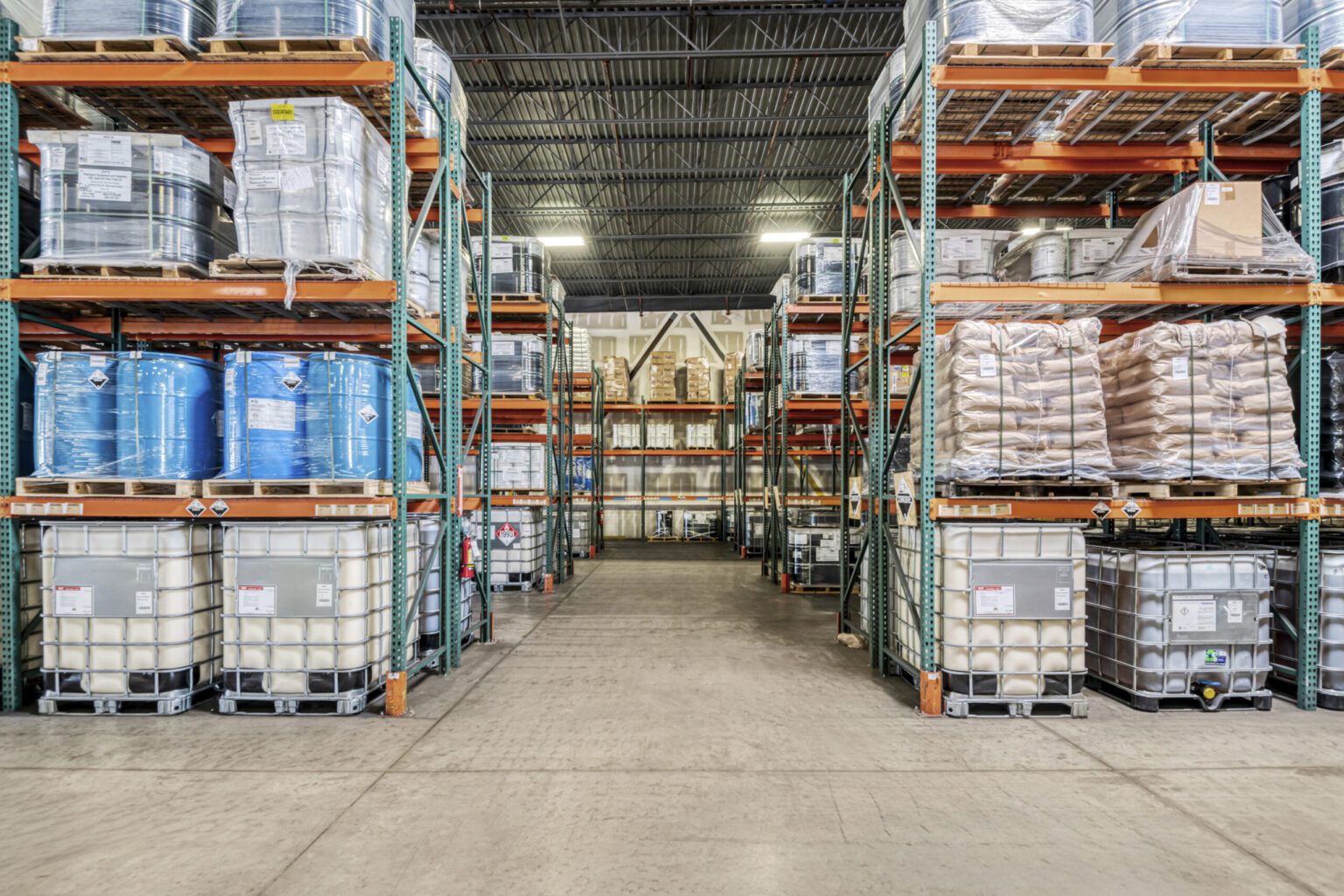
Short-term storage helps bridge the gap between receipt, preparation, and departure. We keep DG cargo under control during that waiting period, so the next step can begin on a stronger operational footing.
What short-term storage is used for
Short-term storage is used to bridge the period between receipt, preparation, and onward departure when goods cannot move immediately. That may be because documents still need to be finalized, screening is pending, the next flight or truck is not yet available, or the cargo simply needs to wait for the right moment to continue. The storage is temporary, but it still has to support the goods properly during that waiting period.
Bridging the gap between receipt and departure
A short pause in the chain can be useful when it gives the shipment time to move onward in a better prepared state. The important thing is that the pause remains controlled. Goods should not drift into a warehouse corner simply because the next step is not ready yet. Short-term storage works best when it serves a defined operational purpose and keeps the cargo in a condition that supports the next movement rather than weakening it.
Keeping cargo under control while it waits
Cargo that waits still needs active control. Dangerous goods do not stop being dangerous simply because they are not moving for a day or two. The storage period therefore has to preserve condition, oversight, and the practical readiness of the shipment. That means the goods remain in an environment suited to them, with a clear understanding of why they are there and what needs to happen before they are released again.
Why short-term storage still needs the right conditions
Temporary storage often gets underestimated because it sounds less involved than long-term warehousing. In practice, the opposite can happen. Short-term storage often sits right in the middle of active operations, where the risk of weak handover or rushed release can be higher. The right conditions still matter because the cargo needs to remain safe, identifiable, and ready for the next step even if it is only waiting briefly before departure.
When temporary storage adds value
Temporary storage adds value when it gives the shipment breathing room without sacrificing control. That can be before air freight, between road and sea, after pickup, or while one missing piece in the process is being completed. In those situations, short-term storage is not a passive pause. It is an active way to keep the shipment workable while the wider plan catches up to what the cargo needs next.
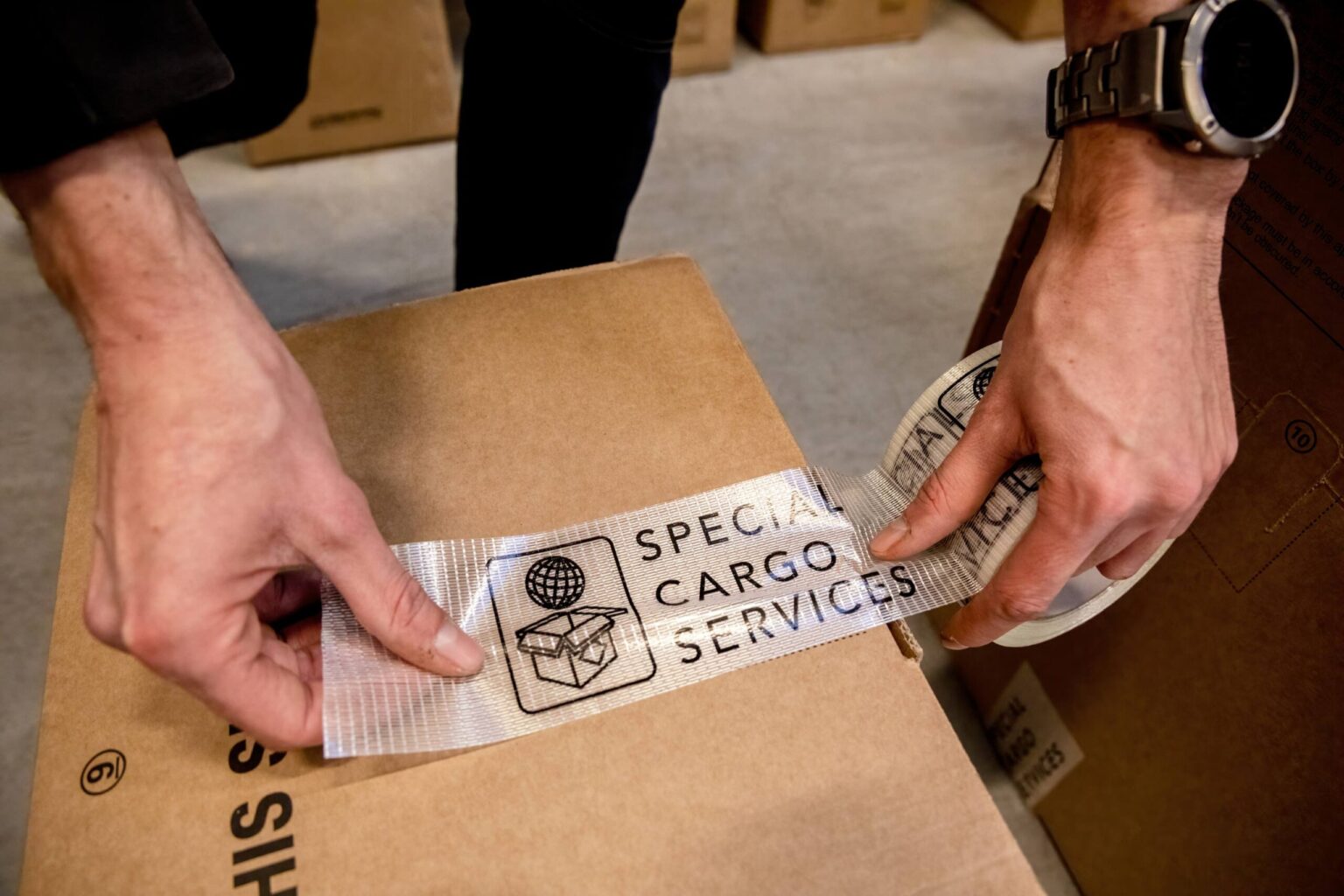
Every DG shipment poses unique challenges. We’re here to solve them.
From a single missing link to the entire chain: we determine what your shipment needs and handle those part of the process you’re looking to outsource. Practical, safe, and always in full compliance.
Why Special Cargo?
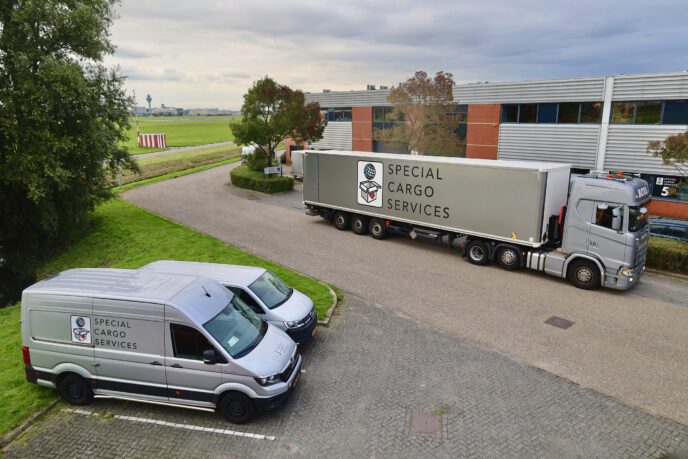
We treat short-term warehousing as part of the shipment process rather than as a parking space between more visible services. That matters because temporary pauses are exactly where weak control can creep into the chain if nobody takes responsibility for them. Our DG-focused warehousing model keeps the purpose, condition, and next step in view, so even a brief stay in storage contributes to a cleaner onward move instead of creating uncertainty.
How we add value with short-term warehousing
Purposeful storage: short-term warehousing supports the next step instead of becoming dead time in the chain.
Control while waiting: dangerous goods remain under suitable conditions during operational pauses.
Cleaner release: cargo leaves temporary storage with a stronger basis for onward movement.
Active oversight: brief storage is managed as part of the shipment, not ignored because it is short.
DG-aware environment: temporary warehousing still reflects the demands of regulated cargo.