





Explosives
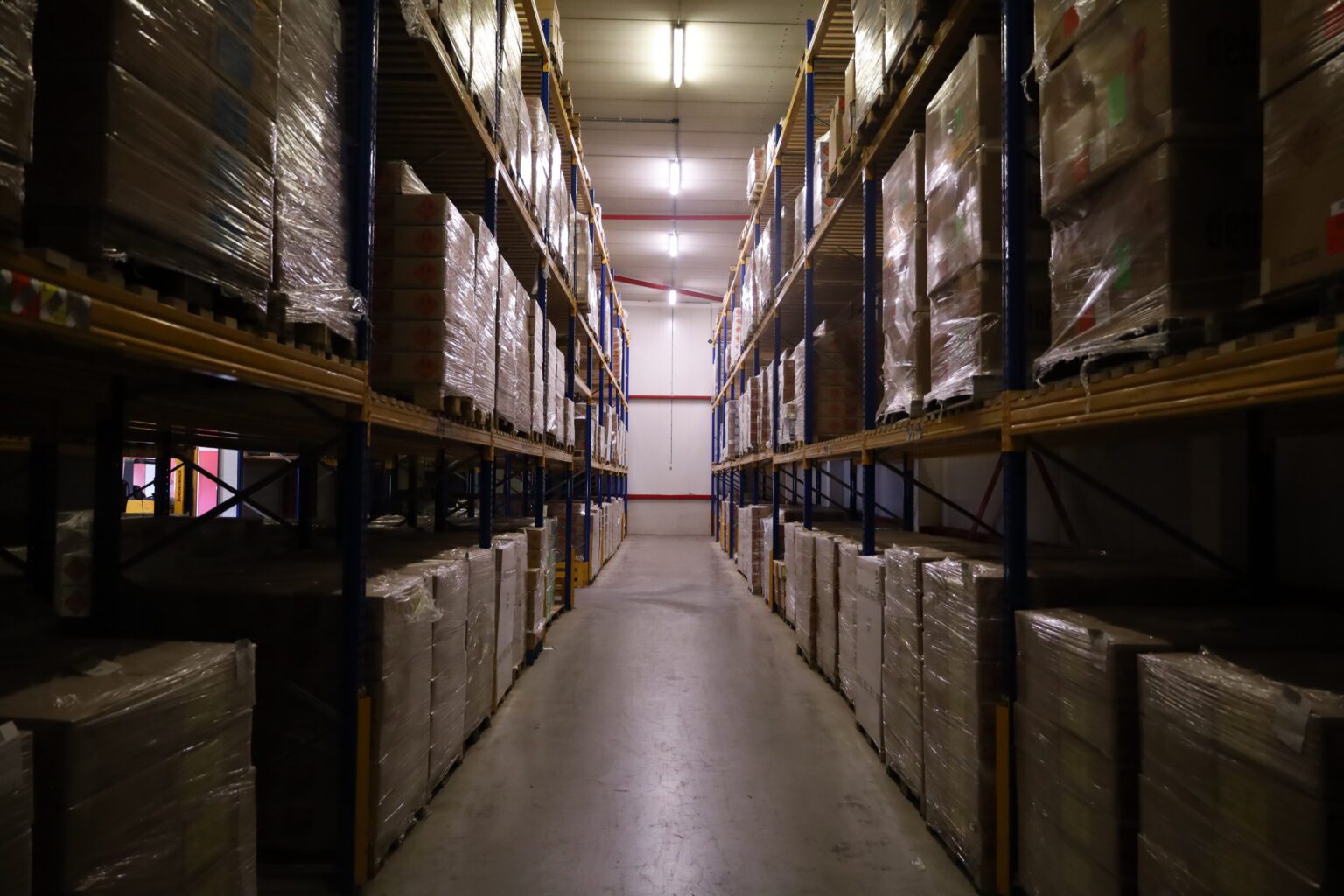
Explosives call for rigorous control at every stage, including storage. We provide specialist warehousing for Class 1 goods with the permits, procedures, and care these DG materials demand in practice.
What explosives warehousing involves
Explosives warehousing involves storing Class 1 goods under a level of control that reflects the sensitivity of the material in daily practice. This is not ordinary DG storage under a stricter label. It is specialist storage for goods that require demanding permits, careful procedures, and consistent operational discipline. The warehouse environment has to support not only legal compliance, but also the practical reality that these goods leave very little room for casual handling.
Why Class 1 storage demands strict control
Class 1 storage demands strict control because the consequences of something going wrong can be far more severe than with many other dangerous goods. That affects how the goods are stored, how they are moved, and how the operation around them is organized. It also means the storage question is inseparable from the wider permit and transport framework behind it. The goods cannot simply be kept somewhere secure and treated as though that solves the problem.
Supporting safer storage for sensitive goods
Safer storage for explosives depends on doing many ordinary things to a higher standard and accepting fewer weak points in the process. The environment, the handling discipline, and the movement around the goods all matter. We support storage in a way that keeps those factors under tighter control, so the cargo remains in a setting built for sensitivity rather than one that merely hopes routine warehouse habits will be good enough.
What makes explosives storage more demanding
Explosives storage is more demanding because the required permits, controls, and transport links around it are more exacting than they are for most other hazardous goods. It is not just the storage itself that is demanding. It is the entire framework needed to move goods in and out lawfully and safely. That broader burden is one reason why this service is genuinely specialist and why many providers avoid taking it on under their own management.
When specialist explosives warehousing matters
Specialist explosives warehousing matters when customers need a storage solution that can actually support the material they work with instead of forcing them into a workaround that is only partly fit for purpose. That may be for temporary holding, planned stock, or a wider chain that depends on proper Class 1 control. In those cases, specialist warehousing gives the customer a route that is practical, lawful, and operationally credible from the start.
Every DG shipment poses unique challenges. We’re here to solve them.
From a single missing link to the entire chain: we determine what your shipment needs and handle those part of the process you’re looking to outsource. Practical, safe, and always in full compliance.
Why Special Cargo?
Explosives are one of the clearest examples of where our DG specialization and permit-backed operating model make a real difference. We support Class 1 warehousing with the controls, procedures, and seriousness these goods require in practice. Because this capability sits within our broader dangerous goods chain, customers can also connect storage to handling and onward movement without having to break control between different providers along the way.
How we add value with explosives warehousing
Class 1 focus: explosives are stored in a model built around their specific demands.
Stricter operational control: the service reflects the higher sensitivity of these goods in daily handling.
Permit-backed capability: storage is supported by the framework this category genuinely requires.
Better chain continuity: warehousing can connect more cleanly to later handling and transport.
Specialist credibility: customers get a route that is designed for Class 1, not adapted reluctantly to it.