




Inbound & outbound
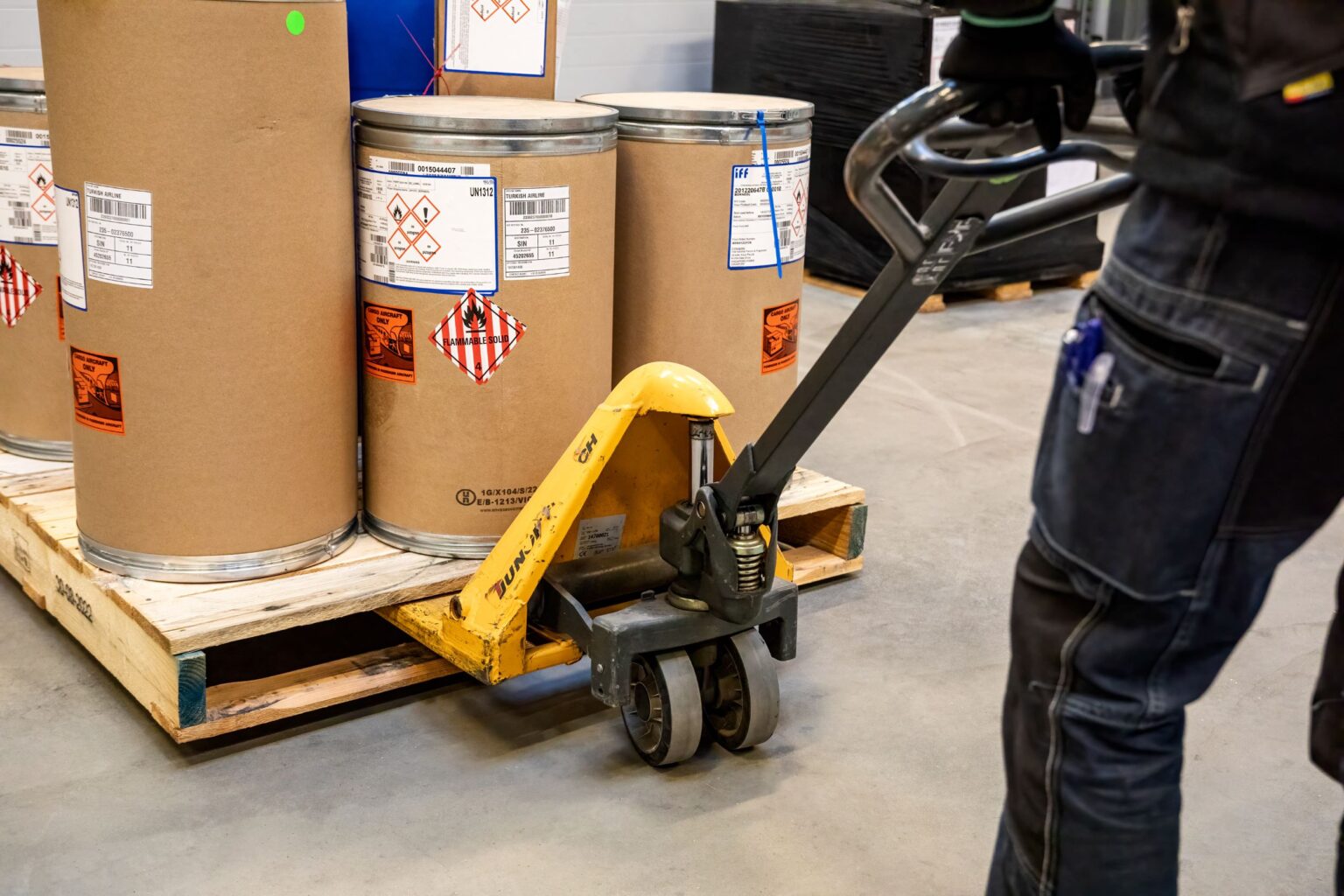
From first receipt to final release, we control inbound and outbound dangerous goods flows with care. That gives you a clearer handover, fewer surprises, and a stronger operational basis for everything that follows.
What inbound & outbound handling involves
Inbound and outbound handling cover the controlled receipt and release of dangerous goods at key moments in the chain. On the inbound side, we verify what has arrived, assess its condition, and check whether the shipment matches the information we received in advance. On the outbound side, we make sure the cargo leaves in a condition that supports the next leg, with the right preparation, timing, and handover in place.
Why control at handover matters
A handover is where assumptions tend to enter the process. Cargo may arrive in a different condition than expected, with incomplete information, weak preparation, or issues that are not obvious until a specialist looks more closely. If those issues are missed at receipt or release, they travel with the shipment and usually become harder to solve later. Strong control at handover helps prevent that from happening.
How we manage incoming and outgoing flows
We work from the details we receive before the cargo even arrives. If the information is incomplete, we ask questions early so we know what is coming in and what the shipment is likely to need next. Once the cargo is with us, we assess it in context, not in isolation. That gives us a better basis for deciding whether the shipment can move on, needs extra work, or should first be corrected or documented more fully.
What can go wrong without the right process
Without a controlled inbound and outbound process, weak preparation can pass straight through the chain unnoticed. Goods may be received without the right checks, released without the right documents, or forwarded before their actual condition is understood. That can lead to delay, rework, rejection, or risk later in the movement. In dangerous goods logistics, small gaps at handover often create much bigger problems downstream.
When inbound & outbound support adds value
This service adds value whenever cargo moves between parties, sites, or stages in the chain and you need more certainty about its real status. That may be at first receipt, before onward dispatch, or when a shipment has changed hands often enough that clarity has started to weaken. We help restore that clarity, so the next operational step begins from a more controlled and better understood position.
Every DG shipment poses unique challenges. We’re here to solve them.
From a single missing link to the entire chain: we determine what your shipment needs and handle those part of the process you’re looking to outsource. Practical, safe, and always in full compliance.
Why Special Cargo?
Inbound and outbound handling are exactly the kind of moments where DG specialization shows its value. We know what questions to ask, what warning signs to look for, and how later steps in the chain can be affected by what happens at receipt or release. Because dangerous goods are our core business, we treat handover as a control point, not as a routine warehouse movement between two more visible tasks.
How we add value with inbound & outbound
Stronger handovers: we help make sure cargo enters and leaves the next stage on a clearer basis.
Earlier issue detection: weak preparation or mismatched information can be spotted before the shipment moves on.
Better flow control: receipt and release are managed in context, not treated as isolated actions.
DG-focused judgment: dangerous goods are assessed with the attention they require from the outset.
Cleaner onward movement: better handover quality supports the next leg of the chain more reliably.