






Import quality control
Incoming DG cargo isn’t always ready for the next step in the chain. We check imported goods for damage, deviations, and handling issues so problems are found early, before they spread any further downstream.
What import quality control covers
Import quality control covers the checks needed to assess incoming cargo before it is released, stored, or moved further into the chain. That includes looking at the condition of the goods, the handling units, and any visible signs that the shipment is not in the state it should be. The goal is to understand what has actually arrived, not just what the paperwork or the expectation said would arrive.
Checking cargo after arrival
Arrival does not automatically mean a shipment is ready for the next step. Goods may have been damaged in transit, packed poorly at origin, or handled in a way that left the cargo weaker than it looked on departure. Checking cargo after arrival creates a moment of control between receipt and release. That gives you a better basis for deciding whether the shipment can continue as planned or needs intervention first.
Spotting damage, deviations, and handling issues
Import quality control is often about catching the kind of issues that are easy to miss if nobody takes a proper look. Packaging may be dented, leaking, incomplete, or otherwise not fit for continued movement. Labels or markings may be damaged or inconsistent. Handling units may have shifted or arrived in a condition that raises concern. These are practical findings that can affect everything that happens next if they go unnoticed.
Why import checks matter before release
Once incoming cargo is released into stock, onward handling, or customer delivery, the opportunity to address problems early starts to shrink. That is why import checks matter before release. They help stop damaged or unsuitable cargo from flowing deeper into the operation by default. In dangerous goods logistics, that pause for control is especially useful because the consequences of weak incoming condition can escalate quickly if ignored.
When extra control adds value
Extra control adds value when the origin is unfamiliar, the cargo is sensitive, the transit was rough, or the shipment simply carries too much risk to move onward on trust alone. It is also valuable when customers want greater certainty about what has really arrived before they commit to the next action. In those situations, import quality control gives them more than reassurance. It gives them a better operational basis for the next decision.
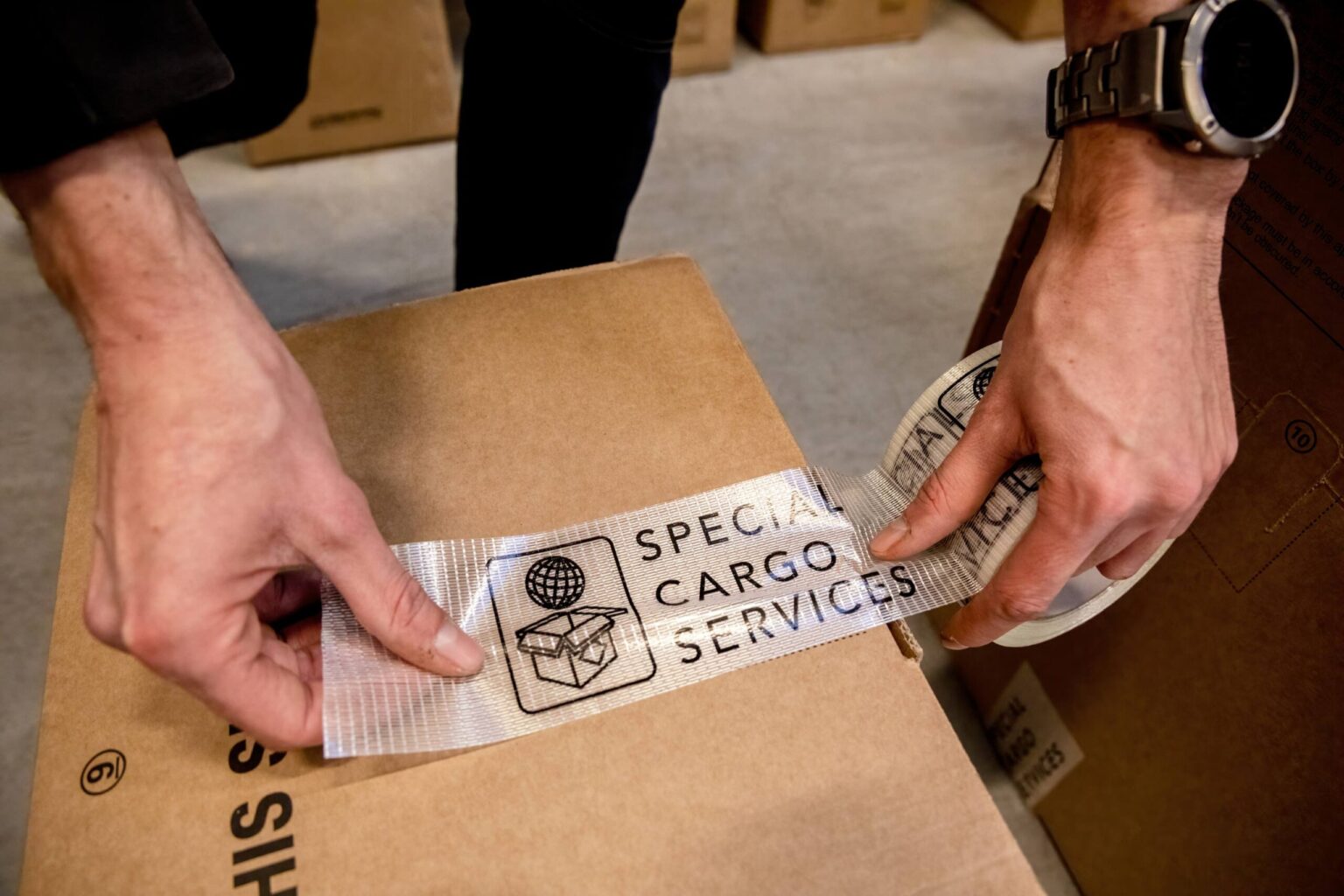
Every DG shipment poses unique challenges. We’re here to solve them.
From a single missing link to the entire chain: we determine what your shipment needs and handle those part of the process you’re looking to outsource. Practical, safe, and always in full compliance.
Why Special Cargo?
Import quality control works best when the team assessing the cargo understands not only what damage looks like, but what damage means for dangerous goods. We bring that judgment to incoming shipments, so the check is not just visual. It is practical and decision-oriented. Because dangerous goods are our core business, we know where to look, what to question, and when an issue is too important to wave through into the next stage.
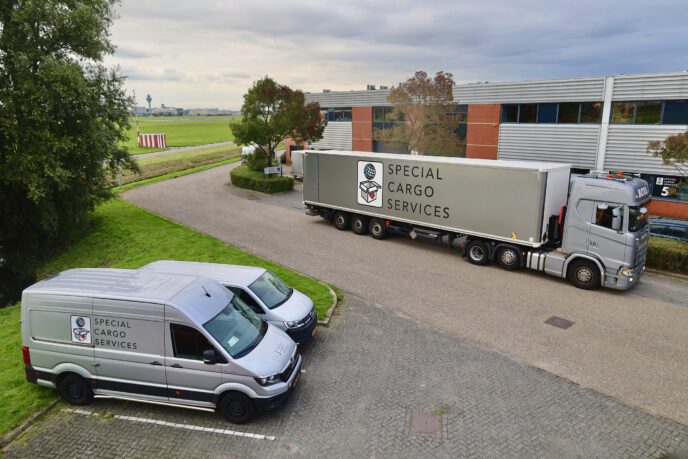
How we add value with import quality control
Control before release: we create a checkpoint between arrival and onward movement.
Sharper issue detection: damage, deviations, and weak handling can be identified early.
Better next-step decisions: customers get a clearer basis for release, storage, or correction.
DG-aware assessment: incoming condition is judged with dangerous goods experience in mind.
Less downstream disruption: early findings help prevent wider problems later in the chain.